







Your heart beats over 100,000 times a day, quietly working behind the scenes to keep oxygen and nutrients flowing through your entire body. But like any high-performance pump, its long-term health depends heavily on the state of its plumbing and electrical systems.
How to prevent coronary artery disease and PVCs ? Here are the
Two of the most common heart health concerns people face today involve these exact systems:
- Coronary Artery Disease (CAD): A plumbing issue where the main blood vessels serving your heart become narrow or blocked by fatty plaque buildup.
- Premature Ventricular Contractions (PVCs): An electrical glitch that causes your heart to skip a beat, flutter, or beat out of rhythm unexpectedly.
The good news? You have incredible power to protect your heart. With simple, everyday lifestyle choices, you can dramatically lower your risk of arterial blockages and keep annoying heart flutters at bay.
Here is a practical, step-by-step guide to keeping your heart strong, steady, and healthy for life.
Medical Disclaimer: The information provided in this article is for educational and informational purposes only and is not intended as medical advice, diagnosis, or treatment. Always seek the advice of your physician or another qualified health provider with any questions you may have regarding a medical condition. Never disregard professional medical advice or delay in seeking it because of something you have read on this website. If you think you may have a medical emergency, call 911 immediately.
What Is Coronary Artery Disease?
Coronary Artery Disease (CAD) is a cardiovascular condition where sticky fatty deposits—known as plaque—accumulate inside the coronary arteries. These arteries are the primary blood vessels responsible for supplying oxygen-rich blood directly to your heart muscle.
Over time, this plaque buildup (a process called atherosclerosis) hardens and narrows the arteries. As blood flow becomes restricted, it can lead to chest tightness (angina), shortness of breath, and, if fully blocked, a heart attack.
Part 1: Protecting Your Heart’s Plumbing (Coronary Artery Prevention)
Preventing coronary artery disease comes down to keeping your blood vessels soft, flexible, and clear of plaque. Here are the most effective daily habits to protect your arterial plumbing:
1. Adopt a Heart-Smart Diet
What you put on your plate directly impacts your artery health. A clean, balanced diet helps control cholesterol, blood pressure, and inflammation—the three major drivers of artery damage.
- Focus on Healthy Unsaturated Fats: Swap saturated fats (fatty meats, butter, fried foods) for unsaturated fats found in extra virgin olive oil, avocados, walnuts, and chia seeds.
- Load Up on Soluble Fiber: Foods like oatmeal, lentils, black beans, apples, and berries act like a sponge in your digestive tract, helping clear out harmful LDL (“bad”) cholesterol before it enters your bloodstream.
- Eat Omega-3 Rich Foods: Fatty fish like salmon, mackerel, and sardines help lower blood triglycerides and reduce systemic arterial inflammation.
- Cut Back on Sodium and Added Sugars: Excess salt spikes blood pressure, while excess refined sugar contributes to weight gain and chronic inflammation—both of which stress arterial walls.
2. Move Your Body Daily
Your heart is a muscle, and regular aerobic exercise is its best workout. Physical activity forces your heart to pump more efficiently and prompts your vascular system to release nitric oxide, a natural compound that helps arteries relax and widen.
- Aim for 150 Minutes a Week: Try to get at least 30 minutes of moderate exercise (like brisk walking, cycling, swimming, or water aerobics) 5 days a week.
- Incorporate Strength Training: Building muscle twice a week helps improve insulin sensitivity, making it easier to manage weight and blood sugar levels.
- Avoid Prolonged Sitting: Take quick 2-minute walking breaks every hour if you work a desk job to maintain healthy circulation.
3. Keep Pressure and Cholesterol in Check
High blood pressure acts like a pressure washer inside your arteries, creating tiny microscopic tears along the inner vascular walls. Plaque loves to stick to these damaged areas.
- Monitor Blood Pressure: Aim for a target reading below 120/80 mmHg.
- Know Your Cholesterol Numbers: Get routine blood work to check your LDL cholesterol, HDL cholesterol, and triglyceride levels.
4. Say Goodbye to Tobacco
Smoking and vaping release harmful chemicals that damage the lining of your blood vessels, cause arteries to narrow, and drastically lower your HDL (“good”) cholesterol. Quitting tobacco is single-handedly the fastest way to reduce your risk of a coronary event—within just one year of quitting, your risk of a heart attack drops by half.
What Are PVCs (Premature Ventricular Contractions)?
Premature Ventricular Contractions (PVCs) are extra, premature heartbeats that originate in your heart’s lower pumping chambers (the ventricles). These extra beats disrupt your normal heart rhythm, causing a brief pause followed by a stronger, more forceful beat. Most people experience PVCs as a sudden “skipped beat,” a heavy thud in the chest, or a brief fluttering sensation in the throat.
Part 2: Steadying Your Heart’s Electrical System (PVC Prevention)
While coronary artery prevention is about keeping blood flowing smoothly, PVC prevention is about maintaining a smooth, predictable electrical rhythm.
For people with structurally healthy hearts, PVCs are usually harmless. However, they can be deeply uncomfortable and worrisome. Preventing them comes down to calming down an overstimulated nervous system.
1. Identify and Tame Your External Triggers
PVCs are frequently triggered by external stimulants that make your heart’s electrical pathway hyper-excitable.
- Moderate Caffeine: Pay attention to how coffee, energy drinks, tea, and pre-workout supplements affect your rhythm. If you notice a spike in flutters after your morning brew, switch to decaf or limit your intake.
- Watch Alcohol Consumption: Alcohol can irritate heart tissue and disrupt normal electrical signals.
- Avoid Nicotine and Decongestants: Over-the-counter nasal decongestants containing pseudoephedrine act as stimulants and can easily trigger PVC flutters.
2. Balance Your Essential Electrolytes
Your heart relies on key minerals—electrolytes—to send electrical impulses across its cells. When these minerals are out of balance, electrical signals can misfire.
- Magnesium: Often called the “calming mineral,” magnesium plays a massive role in stabilizing heart rhythm. You can find it in leafy greens, nuts, seeds, and dark chocolate.
- Potassium: Helps regulate muscle contractions and counteracts the effects of sodium. Include bananas, sweet potatoes, spinach, and coconut water in your daily meal plan.
- Stay Well-Hydrated: Dehydration concentrates adrenaline in your bloodstream and disrupts electrolyte levels, making PVC flutters much more likely to occur. Aim for 8–10 glasses of water daily.
3. Prioritize Stress Reduction and Quality Sleep
When you are chronically stressed or exhausted, your adrenal glands flood your body with stress hormones like cortisol and adrenaline. These hormones elevate your heart rate and make your heart muscle far more susceptible to extra beats.
- Practice Deep Breathing: When you feel heart flutters starting, try box breathing (inhale for 4 seconds, hold for 4, exhale for 4, hold for 4). This stimulates the vagus nerve, which naturally slows down your heart rate.
- Target 7 to 9 Hours of Rest: Sleep deprivation is one of the most consistent triggers for PVC episodes. Keep a regular bedtime routine and minimize screen exposure an hour before sleep.
How Artery Health and Rhythm Health Connect
It is worth noting that while CAD is a plumbing issue and PVCs are an electrical issue, the two systems interact continuously.
If coronary arteries become significantly blocked, reduced oxygen flow to the heart muscle can trigger electrical instability, leading to frequent PVCs or more serious arrhythmias. Conversely, keeping your arteries clean with a nutrient-dense diet and regular exercise naturally lowers systemic inflammation and stress across your entire cardiovascular system, supporting steady electrical signaling.
Summary Checklist: 5 Daily Steps for a Healthier Heart
To protect both your heart’s plumbing and electrical systems starting today, follow this simple daily checklist:
- Eat Whole Foods: Fill half your plate with colorful vegetables, lean proteins, and fiber-rich grains.
- Get Moving: Take a brisk 30-minute walk outdoors or on a treadmill.
- Hydrate Well: Drink plenty of water throughout the day, especially before and after exercise.
- Limit Stimulants: Cut off caffeine intake after mid-day and avoid smoking entirely.
- Unwind Before Bed: Spend 10 to 15 minutes relaxing through light stretching, meditation, or quiet reading.
Frequently Asked Questions (FAQ)
Can Coronary Artery Disease cause PVC heart flutters?
Yes. When coronary arteries become narrowed or blocked, reduced oxygen supply to the heart muscle (ischemia) can irritate cardiac tissue and trigger extra electrical beats like PVCs.
Are PVCs dangerous if I have clear arteries?
In most people with structurally normal hearts and clear arteries, PVCs are benign (harmless). However, if you experience frequent PVCs, dizziness, or chest discomfort, you should always consult a cardiologist for an evaluation.
What is the fastest way to stop a PVC flutter episode?
Taking slow, deep belly breaths, drinking a cool glass of water, or performing a mild vagal maneuver (like bearing down gently) can help calm an overstimulated nervous system and settle heart flutters.


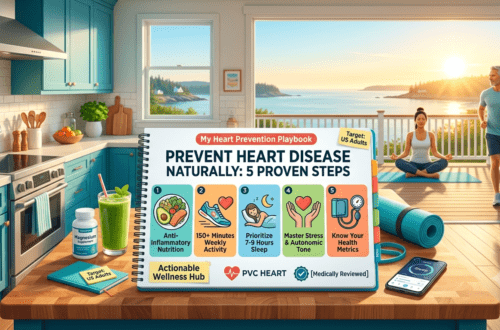
![lt="A healthy, active woman jogging on a coastal path at sunrise, smiling and full of vitality. In the background, a modern medical infographic sign reads: 'Heart Prevention Is Better Than Cure: Tracking Your Numbers [AHA/ESC Data]'. The scene is authoritative and inspirational."](https://pvcheart.com/wp-content/uploads/2026/07/Gemini_Generated_Image_ximg33ximg33ximg-500x330.png)