





Heart disease is the leading cause of death for adults across the United States. Heart health can feel overwhelming, but your daily choices play a massive role in protecting your vascular system. Up to 80% of premature heart disease and stroke cases can be prevented with simple, evidence-based lifestyle changes.
Whether you are aiming to lower your blood pressure, optimize cholesterol, or reduce uncomfortable premature ventricular contractions (PVCs), taking early action pays off.
Here is your complete guide to preventing heart disease naturally and supporting optimal heart rhythm.
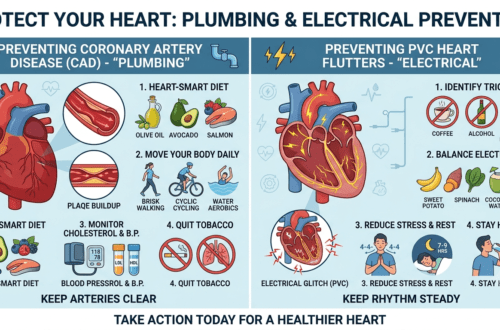
1. Eat an Anti-Inflammatory, Whole-Food Diet
Chronic internal inflammation damages the lining of your blood vessels over time. This damage makes it easier for cholesterol plaque to build up, leading to coronary artery disease. Changing what you eat is one of the fastest ways to lower inflammation and protect your arteries.
Fill Your Plate with Plant Foods
Plant-based foods supply key antioxidants, fiber, and vitamins that keep your blood vessels flexible:
- Leafy Greens: Spinach, kale, and collard greens contain natural nitrates that relax your blood vessels and lower blood pressure.
- Berries: Blueberries and strawberries contain antioxidants called anthocyanins, which protect against cellular damage.
- Soluble Fiber: Oats, beans, and lentils help trap bad cholesterol in your digestive system so your body can eliminate it.
Focus on Healthy Fats
Not all fats are bad for your heart. Replacing saturated fats with unsaturated fats supports healthy lipid levels:
- Omega-3s: Salmon, sardines, chia seeds, and walnuts supply EPA and DHA to lower triglycerides and protect against irregular heart rhythms.
- Extra Virgin Olive Oil: Use cold-pressed olive oil for cooking and dressings to get heart-protective polyphenols.
Cut Back on Inflammatory Triggers
- Limit ultra-processed snack foods loaded with hidden sodium and preservatives.
- Skip sugary drinks like sodas and sweet teas to prevent insulin resistance.
- Avoid artificial trans fats and hydrogenated oils completely.
2. Get Moving with Regular Daily Exercise
Your heart is a muscle that thrives on physical movement. Regular exercise makes your heart pump more efficiently, lowers your resting heart rate, and helps keep your weight in a healthy range.
Aim for 150 Minutes per Week
The standard goal for cardiovascular fitness is at least 150 minutes of moderate-intensity exercise each week.
- Brisk Walking: A simple 30-minute daily walk can lower your cardiovascular risk dramatically.
- Cycling or Swimming: These low-impact options get your heart pumping without putting strain on your joints.
- Strength Training: Add bodyweight exercises or light weightlifting twice a week to improve metabolic health and blood sugar control.
Avoid Long Hours of Sitting
Even if you work out every morning, sitting for hours at a desk can slow down your circulation. Stand up every hour, stretch, or take short two-minute walks around your house or office.
3. Prioritize 7 to 9 Hours of Restorative Sleep
Sleep is the time when your body heals and resets. During deep sleep, your blood pressure naturally drops and your heart rate slows down.
If you consistently miss out on quality rest, your body stays in a high-stress state. This elevates cortisol and adrenaline, which can trigger high blood pressure and extra heartbeats like PVCs.
Tips for Better Sleep Hygiene
- Set a Steady Schedule: Go to sleep and wake up at the exact same time every day.
- Make Your Bedroom Dark and Cool: Keep the room quiet, dark, and comfortable for optimal rest.
- Turn Off Screens: Stop using phones, tablets, and TVs at least 60 minutes before bedtime to help your body produce melatonin naturally.
- Check for Sleep Apnea: Loud snoring and waking up gasping for air are signs of sleep apnea, a condition that puts heavy strain on the heart.
4. Master Stress and Support Your Nervous System
When you experience chronic psychological stress, your nervous system releases extra adrenaline into your bloodstream. This ongoing “fight or flight” response can cause high blood pressure and make heart palpitations more noticeable.
Calming your nervous system helps keep your heart rhythm steady.
Simple Stress-Relieving Habits
- Deep Breathing: Practice slow breathing exercises for five minutes daily to activate your parasympathetic nervous system.
- Mindfulness Meditation: Taking time to sit quietly reduces stress hormones and helps lower your resting heart rate.
- Time Outdoors: Spending time in nature lowers cortisol and helps relax tight blood vessels naturally.
- Social Connection: Spending time with friends and loved ones lowers stress and improves overall mental well-being.
5. Eliminate Tobacco Use and Limit Alcohol
Toxins from smoking or heavy drinking directly harm your heart muscle and blood vessels.
Quit Smoking and Vaping
Tobacco smoke damages the lining of your arteries, accelerates plaque buildup, and increases the risk of blood clots:
- Cigarette smoking doubles your risk of suffering a heart attack.
- Vaping supplies high amounts of nicotine, which spikes your blood pressure and strains your heart.
- Within 20 minutes of quitting smoking, your blood pressure and heart rate start returning to normal levels.
Be Mindful of Alcohol Intake
Heavy drinking weakens the heart muscle over time and is a major trigger for atrial fibrillation and PVCs:
- Keep alcohol consumption limited to one drink or fewer per day for women, and two or fewer for men.
- If you experience frequent extra heartbeats or palpitations, cut out alcohol completely to see if your rhythm stabilizes.
6. Keep Track of Your Key Health Metrics
You cannot fix what you do not track. Monitoring your numbers allows you to catch early warning signs before they turn into serious conditions.
| Health Metric | Ideal Goal Target | Why It Matters for Your Heart |
|---|---|---|
| Blood Pressure | Below 120/80 mmHg | Protects blood vessel walls from damage and strain. |
| Fasting Blood Sugar | Under 100 mg/dL | Prevents blood vessel stiffness caused by high sugar. |
| ApoB / Non-HDL | Low (Discuss with Doctor) | Shows the real number of plaque-causing particles in your blood. |
| Resting Heart Rate | 60–100 bpm (Ideally 50–70) | Signals a strong, efficient heart muscle and balanced nerves. |
7. Focus on Essential Heart Minerals
Certain minerals act as electrolytes in your body. They help your heart generate electrical signals properly so it can maintain a steady, smooth rhythm.
Magnesium
Magnesium relaxes your blood vessels and controls cardiac muscle contractions. Low levels of magnesium are linked to muscle cramps, high blood pressure, and frequent heart palpitations. You can find magnesium in pumpkin seeds, dark chocolate, leafy greens, and almonds.
Potassium
Potassium balances out sodium levels in your body, helping your kidneys flush out extra fluid and lower blood pressure. Enjoy potassium-rich foods like avocados, sweet potatoes, bananas, and coconut water.
CoQ10
Coenzyme Q10 is a powerful antioxidant that helps your cardiac cells generate energy. It is especially beneficial for adults looking to support overall cellular energy in heart tissue.
Note: Always consult your doctor before starting new dietary supplements, especially if you take prescription blood pressure or rhythm medications.
Summary Checklist for Daily Heart Health
- [ ] Eat at least one serving of leafy greens and berries daily.
- [ ] Get 30 minutes of moderate physical activity like walking.
- [ ] Turn off electronic screens one hour before bedtime.
- [ ] Practice five minutes of slow, deep breathing to calm your stress.
- [ ] Check your blood pressure regularly at home or at the pharmacy.
Final Thoughts on Natural Heart Prevention
Preventing heart disease naturally is not about making overnight transformations. It is about making small, consistent daily decisions that nourish your cardiovascular system, calm your nervous system, and support a steady rhythm.
Pick one or two actionable changes from this list to start with today. As those become habit, add more strategies over time to build a lifetime of heart health.Read more
Medical Disclaimer
The content provided on PVC HEART is for educational purposes only and does not substitute for professional medical advice, diagnosis, or treatment. Always consult a board-certified physician or cardiologist before making changes to your lifestyle, diet, or exercise regimen, especially if you experience frequent heart palpitations or chest discomfort.

![lt="A healthy, active woman jogging on a coastal path at sunrise, smiling and full of vitality. In the background, a modern medical infographic sign reads: 'Heart Prevention Is Better Than Cure: Tracking Your Numbers [AHA/ESC Data]'. The scene is authoritative and inspirational."](https://pvcheart.com/wp-content/uploads/2026/07/Gemini_Generated_Image_ximg33ximg33ximg-75x75.png)

![lt="A healthy, active woman jogging on a coastal path at sunrise, smiling and full of vitality. In the background, a modern medical infographic sign reads: 'Heart Prevention Is Better Than Cure: Tracking Your Numbers [AHA/ESC Data]'. The scene is authoritative and inspirational."](https://pvcheart.com/wp-content/uploads/2026/07/Gemini_Generated_Image_ximg33ximg33ximg-500x330.png)