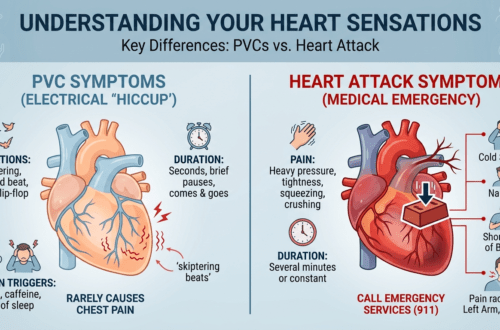
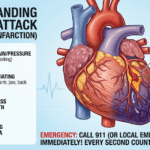





When you hear about somebody having a heart attack, it usually catches folks completely off guard. One day a guy’s out mowing the lawn or grabbing a coffee, and the next thing you know, he’s in the back of an ambulance. It feels sudden—like lightning striking out of a clear blue sky.
But here’s the cold, hard truth: heart attacks almost never happen out of nowhere.
In medical terms, a heart attack—or a myocardial infarction—is the climax of a movie that’s been playing in your body for ten, twenty, or thirty years. Your heart works round the clock, beating over 100,000 times a day, pumping blood through thousands of miles of blood vessels. When the pipes get clogged or overloaded, the system eventually breaks down.
Understanding the top causes of a heart attack isn’t about scaring yourself; it’s about getting ahead of the game. Let’s break down the big five main reasons your heart takes a hit, how they do their damage, and what you can do to keep your ticker running strong.
1. High Blood Pressure: The Silent Pressure Cooker
If you ask cardiologists across the country what the single most dangerous cardiovascular risk factor is, most of ’em will point straight to hypertension—better known as high blood pressure.
How It Works Damage Behind the Scenes
Think of your blood vessels like a garden hose. If you turn the faucet on normal, water flows smooth and easy. But if you crank that spigot all the way open and put your thumb over the nozzle, the pressure inside that hose skyrockets.
When your blood pressure stays high day in and day out, that relentless force pounds against the delicate inner walls of your arteries. Over time, three things happen:
- Microscopic Tears: The high-pressure torrent creates tiny micro-tears in the arterial lining.
- Arterial Stiffening: To withstand the pressure, your arteries harden and lose their elasticity.
- Plaque Trap: Those microscopic tears act like velcro, catching passing cholesterol and fat, which starts the slow build-up of blockages.
Why They Call It the “Silent Killer”: High blood pressure usually has zero symptoms. You could feel completely fine, full of energy, and have no pain whatsoever while walking around with blood pressure numbers that are red-lining.
What The Numbers Mean
+-------------------+--------------------+--------------------------------+
| Blood Pressure    | Systolic (Top)     | Diastolic (Bottom)             |
+-------------------+--------------------+--------------------------------+
| Normal            | Less than 120      | AND Less than 80               |
| Elevated          | 120 – 129          | AND Less than 80               |
| Stage 1 High      | 130 – 139          | OR 80 – 89                     |
| Stage 2 High      | 140 or higher      | OR 90 or higher                |
| Hypertensive Crisis| Higher than 180   | AND/OR Higher than 120         |
+-------------------+--------------------+--------------------------------+
2. High Cholesterol: The Clogged Pipe Nightmare
You hear a lot of chatter in America about “good” and “bad” cholesterol. But when it comes to heart attacks, LDL (Low-Density Lipoprotein) is the main character you need to watch out for.
The Mechanics of Plaque Buildup (Atherosclerosis)
Excess LDL cholesterol circulating in your bloodstream doesn’t just wash away. It seeps into the damaged walls of your coronary arteries—the very arteries responsible for feeding oxygen-rich blood directly to your heart muscle.
- Infiltration: LDL particles sink into the damaged arterial lining.
- Inflammation: Your immune system sends white blood cells (macrophages) to clean up the cholesterol. These cells gobble up the lipid particles until they turn into swollen “foam cells.”
- Plaque Formation: This sticky mess of fats, calcium, and cellular waste hardens into atherosclerotic plaque.
The Sudden Rupture: How Clogs Cause Attacks
Most people assume a heart attack happens when plaque slowly grows until it completely closes off an artery like a pipe backed up with gunk. While that can happen, the vast majority of acute heart attacks occur when a plaque cap ruptures.
When a fragile plaque cap cracks open, your body treats it like an open wound and sends platelets to form a clot. That sudden blood clot can seal off the entire artery in seconds. Without oxygenated blood reaching the muscle past that point, that portion of the heart muscle starts dying within minutes.
3. Tobacco Use: Poisoning Your Circulation
Whether you smoke cigarettes, light up cigars, or use modern vapes and chew, tobacco usage is an absolute fast-track to cardiovascular trouble.
What Chemical Toxins Do to Your Heart
When you inhale tobacco smoke, you’re introducing thousands of toxic compounds—including carbon monoxide and nicotine—directly into your bloodstream.
- Nicotine: Triggers a spike in adrenaline, making your heart beat faster and raising your blood pressure immediately.
- Carbon Monoxide: Displaces vital oxygen in your red blood cells, forcing your heart to work twice as hard to pump the same amount of oxygen throughout your body.
- Vascular Damage: Chemicals in tobacco ruin the endothelium (the smooth inner lining of your blood vessels), making plaque stick significantly faster.
- Sticky Blood: Smoking makes your blood platelets stickier, multiplying the odds of a sudden clot forming inside your coronary arteries.
The Good News: The moment you kick the habit, your body starts healing. Within 24 hours of quitting, your risk of a heart attack drops, and within a year, your excess risk of heart disease drops by half.
4. Diabetes and Insulin Resistance: The Blood Sugar Hazard
Type 2 diabetes and metabolic syndrome are sweeping through the United States at record rates, and they are directly linked to elevated cardiac risk.
Why High Blood Sugar Damages Your Vessels
When you have diabetes or severe insulin resistance, glucose builds up in your bloodstream instead of getting absorbed into your cells. Over time, high blood sugar levels wreak havoc on your circulatory system through a process called glycation.
                   +---------------------------------------+
                   |       CHRONIC HIGH BLOOD SUGAR        |
                   +---------------------------------------+
                                       |
                                       v
                   +---------------------------------------+
                   |  Inflammation & Endothelial Damage    |
                   +---------------------------------------+
                                       |
                   +-------------------+-------------------+
                   |                                       |
                   v                                       v
     +---------------------------+           +---------------------------+
     | Increases Small, Dense    |           | Damages Autonomic Nerves  |
     | LDL Cholesterol Particles |           | Controlling Heart Rate    |
     +---------------------------+           +---------------------------+
                   |                                       |
                   +-------------------+-------------------+
                                       |
                                       v
                   +---------------------------------------+
                   | ACCELERATED CORONARY ARTERY DISEASE  |
                   +---------------------------------------+
- Arterial Stiffness: Sugar molecules attach themselves to proteins in your blood vessel walls, making them stiff, brittle, and inflamed.
- Nerve Damage: Long-term high blood sugar damages the nerves that control your heart and blood pressure.
- Atherosclerosis Acceleration: Diabetic individuals tend to produce smaller, denser LDL particles that easily penetrate arterial walls, accelerating plaque build-up.
Because of how diabetes damages pain-sensing nerves, diabetic patients are also far more likely to suffer a “silent heart attack”—a heart attack where classic symptoms like crushing chest pain are faint or absent altogether.
5. Sedentary Lifestyle and Poor Diet: The Modern American Habit
Let’s be real for a minute: the modern American lifestyle isn’t exactly built for heart health. Most of us spend eight hours a day sitting at a desk, another two hours in a car commuting, and the evening relaxing on the couch streaming TV. Throw in a diet packed with ultra-processed foods, excess sodium, and refined sugars, and you’ve got a perfect storm for your heart.
The Inactivity Factor
The heart is a muscle. Just like your biceps or quads, if you don’t work it out, it loses its strength and efficiency over time. A sedentary lifestyle leads to:
- Lower cardiac output (the heart pumps less blood per beat).
- Reduced HDL (“good”) cholesterol levels.
- Higher resting heart rates and elevated baseline blood pressure.
The Diet Connection
A diet heavy in saturated fats, trans fats, and excessive sodium drives up all three of the big metabolic indicators: blood pressure, cholesterol, and blood sugar.
When you combine a lack of physical movement with a diet that constantly causes internal inflammation, you create the ideal environment for plaque to thrive.
Secondary Players: Stress, Genetics, and Sleep
While high blood pressure, cholesterol, smoking, diabetes, and lifestyle make up the main five causes, a few secondary factors can tip the scales:
- Chronic Stress: When you’re constantly stressed out, your body pumps out cortisol and adrenaline. Over time, chronic stress keeps your blood pressure elevated and fuels systemic inflammation.
- Genetics (Family History): If your dad or brother had a heart attack before 55, or your mom or sister had one before 65, your baseline genetic risk is higher. You can’t change your DNA, but you can control your lifestyle to offset it.
- Sleep Apnea and Lack of Sleep: Chronic sleep deprivation or untreated obstructive sleep apnea drops oxygen levels during the night, forcing your heart into overdrive while you’re trying to rest.
Taking Back Control: How to Protect Your Heart Today
Understanding the root causes of a heart attack gives you the power to rewrite your story. Prevention isn’t about radically changing your life overnight—it’s about small, consistent choices that compound over time.
Your Heart-Healthy Action Plan
- Know Your Numbers: Get an annual physical. Keep tabs on your blood pressure, lipid panel (LDL, HDL, triglycerides), and fasting blood glucose (or HbA1c).
- Move 30 Minutes a Day: You don’t need to run a marathon. Brisk walking, cycling, swimming, or playing sports for 150 minutes a week dramatically slashes your risk.
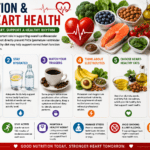
- Clean Up the Plate: Shift toward whole foods—leafy greens, lean proteins, berries, nuts, whole grains, and healthy fats like olive oil—while trimming down ultra-processed foods and sodas.
- Ditch the Tobacco: Talk to your doctor about smoking cessation programs, patches, or medications. Quitting is the fastest way to drop your risk.
- Prioritize Rest: Aim for 7 to 9 hours of solid sleep per night, and get checked for sleep apnea if you snore heavily or wake up exhausted.
Final Thoughts: Your Heart, Your Move
A heart attack might seem sudden, but it’s really the end result of long-term processes that you have the power to influence. By tackling high blood pressure, keeping cholesterol in check, skipping the tobacco, managing blood sugar, and staying active, you give your heart the best possible environment to keep pumping strong for decades to come.
Take care of your heart today, so it can take care of you tomorrow.


![A cardiologist at a medical workstation explaining cardiac data. One screen shows a PVC ectopic beat tracing (wide QRS), and the other display shows an echocardiogram with Ejection Fraction (LVEF) metrics. The PVC HEART logo and a [Medically Reviewed] seal are visible.](https://pvcheart.com/wp-content/uploads/2026/07/Gemini_Generated_Image_wqbyjxwqbyjxwqby-500x330.png)