



An intense surge of sudden fear, a racing heart, tightness in the chest, and the overwhelming feeling that something catastrophic is about to happen—these are the hallmarks of an anxiety attack. For millions of Americans, these episodes strike unexpectedly, leaving behind physical exhaustion and deep uncertainty.
At PVC Heart, we frequently see patients who arrive at cardiology clinics or emergency rooms convinced they are experiencing a life-threatening heart event, only to discover that the culprit is severe anxiety or a panic attack. Because the physical manifestations of anxiety mimic cardiac conditions so closely, understanding how anxiety attacks work—and how they affect your cardiovascular system—is critical for your peace of mind and long-term health.
What Is an Anxiety Attack?
While “panic attack” is the official clinical term recognized in medical diagnostic manuals, the term anxiety attack is widely used to describe an episode of intense emotional distress accompanied by severe physical symptoms.
Anxiety attacks stem from the body’s natural fight-or-flight response. When your brain perceives a threat—whether real, perceived, or rooted in chronic stress—the amygdala (the brain’s emotional processing center) signals the adrenal glands to flood your bloodstream with stress hormones like adrenaline and cortisol.
This hormonal surge immediately redirects blood flow toward large muscle groups, speeds up your breathing to take in more oxygen, and spikes your heart rate to prepare you to fight or flee. When there is no physical danger to run from, this physiological overload manifests as a terrifying episode of physical and psychological distress.
Common Anxiety Attack Symptoms
Anxiety attacks do not just happen in the mind; they are profoundly physical events. Symptoms usually reach peak intensity within 10 minutes and gradually subside over 30 to 60 minutes.
1. Cardiovascular & Respiratory Symptoms
- Heart Palpitations & Tachycardia: A pounding, racing, or fluttering heartbeat is often the first and most alarming symptom.
- Chest Tightness or Pain: Sharp, localized chest discomfort caused by intercostal muscle tension or hyperventilation.
- Shortness of Breath (Dyspnea): The sensation of not being able to catch your breath or get enough air into your lungs.
- Hyperventilation: Rapid, shallow breathing that alters blood carbon dioxide levels, causing lightheadedness and tingling.
2. Neurological & Physical Symptoms
- Dizziness and Unsteadiness: A feeling of lightheadedness, faintness, or vertical instability.
- Paresthesia: Tingling or “pins and needles” sensations in the hands, feet, fingers, or around the mouth.
- Trembling and Shaking: Uncontrollable muscle tremors or inner shaking.
- Sweating and Chills: Sudden profuse sweating or cold, clammy skin alternating with hot flashes.
- Gastrointestinal Distress: Nausea, stomach cramps, or a sudden urge to use the restroom.
3. Psychological & Emotional Symptoms
- Sense of Impending Doom: An intense conviction that death, disaster, or collapse is imminent.
- Derealization: A eerie feeling that your surroundings are unreal, foggy, or distant.
- Depersonalization: Feeling detached from your own body or mind, as if watching yourself from above.
- Fear of Losing Control: Fear that you are going crazy, losing your mind, or about to lose total control over your actions.
Anxiety Attack vs. Heart Attack: How to Tell the Difference
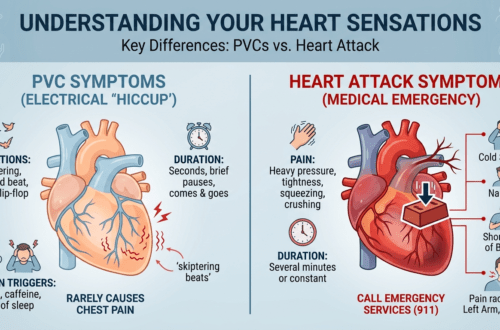
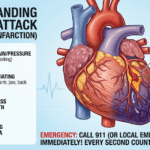
Because anxiety attack symptoms feature chest pain, heart palpitations, and shortness of breath, distinguishing them from a medical emergency like a myocardial infarction (heart attack) is a top priority for patients.
┌─────────────────────────────────────────────────────────────────────────┐
│                      ANXIETY ATTACK vs. HEART ATTACK                    │
├───────────────────────────────┬─────────────────────────────────────────┤
│ Feature                       │ Anxiety Attack                          │ Heart Attack                            │
├───────────────────────────────┼─────────────────────────────────────────┤
│ Onset                         │ Often sudden, during stress or rest     │ Often during physical exertion/exertion │
│ Pain Quality                  │ Sharp, stabbing, localized              │ Heavy, crushing, squeezing pressure     │
│ Radiation                     │ Rarely radiates                         │ Radiates to jaw, neck, left arm, back   │
│ Duration                      │ Peaks in 10 mins; fades in 20-30 mins   │ Persistent; lasts over 30 mins, worsens │
│ Trigger                       │ Emotional stress, hyperventilation      │ Physical effort, vascular blockage      │
└───────────────────────────────┴─────────────────────────────────────────┘
⚠️ Important Medical Disclaimer: Never attempt to self-diagnose chest pain if you are unsure of the cause. If you experience severe, crushing chest pressure, pain radiating down your arm or into your jaw, or unexplained fainting, seek emergency medical care immediately by calling 911.
How Anxiety Affects the Heart: The Cardiac Connection
At PVC Heart, we focus heavily on how autonomic nervous system imbalances influence heart rhythm. The link between severe anxiety and cardiac performance is direct and measurable.
1. Anxiety and Premature Ventricular Contractions (PVCs)
Elevated adrenaline levels during an anxiety attack increase cardiac irritability. This can trigger Premature Ventricular Contractions (PVCs)—extra, premature heartbeats that originate in the heart’s lower ventricles.
- A PVC often feels like a skipped beat followed by a hard “thump” in the chest as the heart resets its rhythm.
- While isolated PVCs triggered by anxiety are generally benign, frequent PVCs can increase anxiety, creating a stressful feedback loop: Anxiety triggers PVCs $\rightarrow$ PVCs cause panic $\rightarrow$ Panic triggers more PVCs.
2. Blood Pressure and Heart Rate Spikes
During an acute episode, adrenaline causes blood vessels to constrict and the heart to pump harder and faster. While temporary spikes in blood pressure during anxiety attacks are not harmful for a healthy heart, chronic anxiety can contribute to long-term hypertension and increased strain on the cardiovascular system.
What Causes Anxiety Attacks?
Anxiety attacks rarely happen out of nowhere. They are typically triggered by a combination of biological, psychological, and environmental factors:
- Chronic Psychological Stress: Prolonged exposure to work pressures, financial hardship, or relationship conflict depletes the body’s stress-handling resources.
- Genetics and Brain Chemistry: A family history of anxiety disorders or imbalances in neurotransmitters (like serotonin and GABA) raises baseline susceptibility.
- Medical Conditions & Arrhythmias: Thyroid disorders, cardiac arrhythmias, low blood sugar, or inner ear disorders can trigger physical sensations that spark panic attacks.
- Substances and Caffeine: Excessive caffeine, nicotine, alcohol withdrawal, or central nervous system stimulants can simulate or trigger panic states.
- Trauma and PTSD: Unresolved emotional trauma can leave the nervous system in a hyper-vigilant state, triggering rapid panic responses to minor stressors.
Effective Treatments for Anxiety Attacks
The good news is that anxiety attacks are highly treatable. A multi-faceted approach involving evidence-based therapies, lifestyle adjustments, and medical treatments offers the best long-term results.
1. Acute In-the-Moment Coping Strategies
When an anxiety attack strikes, immediate somatic techniques can help ground your nervous system:
- Box Breathing (4-4-4-4 Technique): Inhale slowly for 4 seconds, hold your breath for 4 seconds, exhale for 4 seconds, and hold empty for 4 seconds. This signals the vagus nerve to slow your heart rate.
- The 5-4-3-2-1 Grounding Method: Look around and identify 5 things you can see, 4 things you can physically touch, 3 things you can hear, 2 things you can smell, and 1 thing you can taste.
- Muscle Progressive Relaxation: Intentionally tense and then release major muscle groups starting from your toes up to your forehead to discharge physical physical tension.
2. Evidence-Based Psychotherapy
- Cognitive Behavioral Therapy (CBT): The gold-standard psychological treatment. CBT helps patients reframe catastrophic thoughts (e.g., “My heart is stopping”) and de-escalate fear responses.
- Exposure Therapy: Systematically exposes individuals to somatic sensations (like a elevated heart rate) in a controlled setting, teaching the brain that these physical sensations are uncomfortable, but not dangerous.
3. Medical Interventions
When anxiety significantly impacts daily life or triggers cardiac symptoms like frequent PVCs, medical treatments may be recommended:
- SSRIs and SNRIs: Selective Serotonin Reuptake Inhibitors (like sertraline or escitalopram) serve as first-line daily medications to prevent panic attacks.
- Beta-Blockers: Medications like propranolol or metoprolol block adrenaline receptors on the heart muscle. They effectively eliminate physical symptoms like racing heartbeats, shaking, and PVCs during high-anxiety situations.
- Short-Term Anxiolytics: Medications like benzodiazepines may be used sparingly for acute episodes under strict medical supervision due to dependency risks.
When to Consult a Specialist
If you experience frequent anxiety attacks or heart palpitations, consulting both a mental health provider and a cardiologist is recommended. A comprehensive cardiac evaluation—including an ECG, Holter monitor, and echocardiogram—can rule out underlying structural heart disease or primary rhythm disorders, giving you complete reassurance that your heart is healthy.


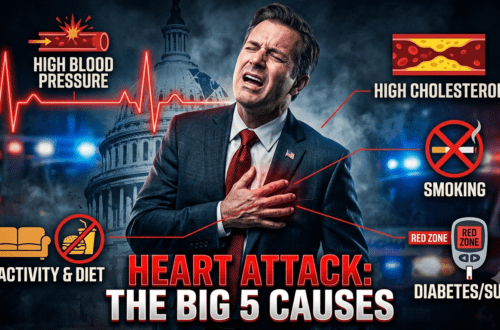
![A cardiologist at a medical workstation explaining cardiac data. One screen shows a PVC ectopic beat tracing (wide QRS), and the other display shows an echocardiogram with Ejection Fraction (LVEF) metrics. The PVC HEART logo and a [Medically Reviewed] seal are visible.](https://pvcheart.com/wp-content/uploads/2026/07/Gemini_Generated_Image_wqbyjxwqbyjxwqby-500x330.png)