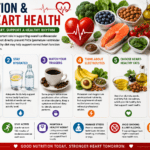





What you eat directly impacts how your heart beats. For people experiencing Premature Ventricular Contractions (PVCs), daily nutrition plays a major role in managing symptoms.
While food cannot replace medical treatment for structural heart disease, proper nutrition strengthens cardiac stability. Certain minerals calm irritable electrical cells in the heart. Conversely, specific dietary triggers can spark unexpected flutters.
This complete guide breaks down the best nutrition strategies to manage and prevent PVCs.
How Nutrition Affects Your Heart Rhythm
Your heart relies on an intricate electrical conduction system. This system controls every single contraction.PVC heart nutrition is very important to keep you save.
Key minerals—known as electrolytes—conduct these tiny electrical impulses across heart cells. If your mineral levels drop, cardiac cells become irritable. Irritated cells fire early, creating premature beats.
The Role of Electrolytes in PVC Heart nutrition
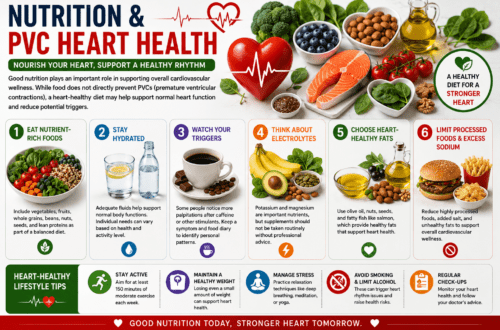
- Potassium: Controls electrical cellular charge and prevents extra beats.
- Magnesium: Relaxes heart muscle cells and regulates calcium flow.
- Sodium: Maintains blood volume and blood pressure balance.
- Calcium: Triggers the physical contraction of heart muscle fibers.
A well-balanced diet maintains a precise balance among these four key minerals.
Top Essential Nutrients to Stop PVC Flutters
Focusing on specific nutrient-dense foods gives your body the tools it needs to calm heart palpitations.
1. Magnesium: The Natural Heart Calmer
Magnesium is often called the master mineral for heart rhythm. It prevents excess calcium from entering heart muscle cells, which stops hyper-excitability.
Many adults in the United States do not get enough daily magnesium. Adding magnesium-rich foods to your diet can significantly lower your PVC burden.
Best food sources of magnesium:
- Dark leafy greens (spinach, kale, Swiss chard)
- Seeds (pumpkin seeds, chia seeds, flaxseeds)
- Nuts (almonds, cashews, Brazil nuts)
- Dark chocolate (70% cacao content or higher)
- Legumes (black beans, edamame, lentils)
2. Potassium: The Rhythm Stabilizer
Potassium works alongside sodium to regulate your heart’s resting electrical potential. Low potassium levels (hypokalemia) are a direct, well-documented trigger for PVCs heart nutrition
Best food sources of potassium:
- Avocados
- Sweet potatoes and baked potatoes with skin
- Bananas and oranges
- Coconut water
- Wild-caught salmon and tuna
Important Safety Note: If you have kidney disease or take ACE inhibitors/ARBs for blood pressure, check with your physician before increasing potassium intake significantly.
3. Omega-3 Fatty Acids: Inflammatory Support
Omega-3 fatty acids reduce systemic inflammation and stabilize cardiac cell membranes. They lower the risk of dangerous arrhythmias and support overall vascular health.
Best food sources of Omega-3s:
- Fatty fish (salmon, mackerel, sardines, herring)
- Walnuts
- Ground flaxseeds and hemp seeds
Foods and Ingredients That Trigger PVC heart nutrition
Knowing what not to eat is just as important as eating healthy foods. Certain dietary habits provoke cardiac irritability.
1. Refined Sugars and High-GI Carbs
Eating high-sugar foods causes a rapid spike in blood glucose. Your pancreas responds by releasing a large wave of insulin.
This sudden sugar crash triggers an adrenaline release to rebalance blood sugar. Adrenaline directly stimulates the heart, often leading to rapid flutters or extra beats.
Foods to minimize:
- Sugary beverages and sodas
- White bread, pastries, and candy
- Heavily processed breakfast cereals
2. Excessive Sodium (Salt)
High sodium levels increase fluid retention. This boosts your total blood volume, forcing your heart to work harder to pump blood.
Increased strain on heart walls can trigger premature contractions, especially in people with high blood pressure.
3. Hidden Caffeine Sources
Caffeine stimulates your central nervous system. While small amounts are fine for some, sensitive individuals may react strongly.
Watch out for hidden caffeine in:
- Pre-workout fitness supplements
- Over-the-counter pain relievers
- Energy shots and specialized teas
- Protein bars with coffee extracts
4. Heavy Alcohol Consumption
Alcohol acts as a direct toxin to cardiac cells. It disrupts the heart’s natural electrical wiring and dehydrates your body. Even moderate evening drinking can trigger nighttime PVC flutters.
Meal Timing and Eating Habits Matter
How you eat affects your heart rhythm almost as much as what you eat.
Avoid Overeating Large Meals
Eating a very heavy meal causes blood to shift quickly to your digestive tract. Your heart has to beat faster to compensate.
Furthermore, a full stomach presses upward against your diaphragm. This can physically irritate the vagus nerve, which runs right past your esophagus and heart. Vagus nerve stimulation often triggers post-meal flutters.
Smart eating habits:
- Eat 4 to 5 smaller, balanced meals throughout the day.
- Stop eating at least 2 to 3 hours before lying down for sleep.
- Chew food thoroughly to ease the digestive workload.
Stay Properly Hydrated
Dehydration lowers your blood volume. When blood volume drops, your heart compensates by beating faster and pumping with greater force.
Even mild dehydration causes electrolyte imbalances that spark PVCs.
- Drink at least 8 to 10 cups of pure water daily.
- Increase fluid intake during summer months or exercise workouts.
- Monitor your urine color—it should be clear or pale yellow.
Daily PVC Heart Nutrition Plan Checklist
Use this quick summary matrix to build your daily heart-healthy menu:
| Meal Category | Recommended Choices | Foods to Avoid |
|---|---|---|
| Breakfast | Oatmeal with flaxseeds, spinach omelet, berries | Sugary pastries, high-caffeine energy drinks |
| Lunch | Grilled chicken salad with avocado, olive oil dressing | Fast-food burgers, high-sodium deli meats |
| Snacks | Pumpkin seeds, dark chocolate (70%+), walnuts | Salty potato chips, sugary snack bars |
| Dinner | Baked salmon, quinoa, steamed broccoli | Heavy pasta with cream sauce, excess alcohol |
| Hydration | Water, herbal teas, coconut water | Sweetened sodas, excess black coffee |
When to Talk to a Clinical Dietitian or Cardiologist
Nutrition is a supportive strategy, not a substitute for medical evaluation. Always consult your healthcare provider if:
- Your PVC flutters become more frequent or severe.
- You are considering high-dose electrolyte supplements.
- You experience unexpected weight loss, dizziness, or shortness of breath.
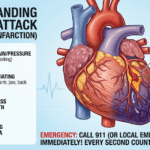
Emergency Warning Symptoms
Seek emergency care immediately if heart palpitations are accompanied by:
- Crushing chest pain or pressure
- Fainting spells (syncope)
- Severe, sudden shortness of breath
- Extreme confusion or weakness
Final Thoughts: Nourish Your Heart Back to Rhythm
Taking control of your nutrition gives you a proactive tool to fight PVCs. By stocking your plate with magnesium, potassium, and fresh whole foods, you create a calm internal environment for your heart.
Small, consistent dietary adjustments yield powerful results over time. Fuel your body wisely and protect your heart rhythm every single day.
![A cardiologist at a medical workstation explaining cardiac data. One screen shows a PVC ectopic beat tracing (wide QRS), and the other display shows an echocardiogram with Ejection Fraction (LVEF) metrics. The PVC HEART logo and a [Medically Reviewed] seal are visible.](https://pvcheart.com/wp-content/uploads/2026/07/Gemini_Generated_Image_wqbyjxwqbyjxwqby-75x75.png)

![alt="8K UHD realistic infographic photograph of a healthy American woman and daughter preparing a colorful, anti-inflammatory meal in a sunlit kitchen. An integrated data dashboard explicitly defines: 'Best Nutrition for Heart Rhythm & PVCs,' 'Optimize Electrolytes (Magnesium, Potassium),' 'Adopt Anti-Inflammatory Diet,' and 'Avoid Dietary Triggers (Sugars, Processed Foods, Excess Caffeine).' Features a '[Medically Reviewed]' trust seal."](https://pvcheart.com/wp-content/uploads/2026/07/Gemini_Generated_Image_dhxfq4dhxfq4dhxf-500x330.png)
