




Every beat of your heart relies on a delicate balance of nutrients and electrical signals. While most people think of diet in terms of weight or cholesterol, your nutritional intake directly impacts your heart’s electrical conduction system.
When your body lacks key minerals or struggles with chronic inflammation, your heart becomes more vulnerable to rhythm disturbances. These disturbances often manifest as premature ventricular contractions (PVCs), skipped beats, or uncomfortable fluttering sensations in your chest.
Adopting a targeted cardiovascular diet can calm your nervous system, stabilize cardiac cells, and support optimal heart function.
Featured Snippet: How Does Nutrition Affect Heart Rhythm?
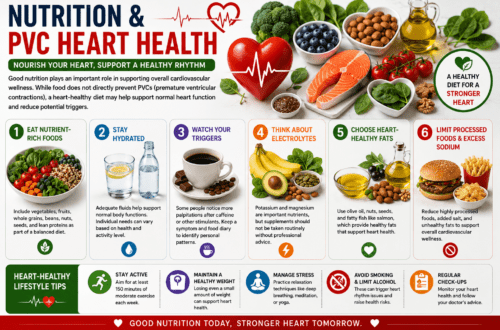
Quick Summary: Nutrition directly regulates heart rhythm by supplying vital electrolytes—specifically magnesium, potassium, and calcium—that control cardiac electrical impulses. An anti-inflammatory diet rich in leafy greens, omega-3 fatty acids, and high-fiber plant foods stabilizes cell membranes in heart tissue. Conversely, refined sugars, high sodium, caffeine, and ultra-processed foods can trigger extra heartbeats like PVCs by spiking stress hormones and destabilizing blood pressure.
1. How Nutrition Directs Your Heart’s Electrical System
Your heart is both a mechanical pump and an electrical network. The sinus node acts as your natural pacemaker, generating electrical impulses that travel through cardiac muscle fibers.
For these electrical signals to move smoothly, your muscle cells rely on specific minerals moving back and forth across cell membranes. This process is called the cardiac action potential.
When your diet is low in key minerals or high in inflammatory compounds, several things happen:
- Cellular Instability: Cardiac cells become hypersensitive and fire out of turn, leading to PVCs.
- Vascular Stiffness: High intake of sugar and trans fats hardens arterial walls, increasing heart workload.
- Autonomic Disruption: Processed foods and high sugar levels trigger adrenaline surges that speed up heart rate.
By eating foods that support electrical stability, you reduce the underlying triggers of irregular heartbeats.
2. Key Electrolytes: The Mineral Pillars of Heart Rhythm
Electrolytes are essential minerals that carry an electric charge. Keeping these minerals in balance is one of the most effective ways to reduce heart palpitations naturally.
Magnesium: The Natural Cardiac Relaxed State
Magnesium acts as a natural gatekeeper for cardiac cells. It prevents calcium from overloading muscle tissue, helping the heart relax between contractions.
According to clinical research published by the National Institutes of Health (NIH), inadequate magnesium intake is strongly associated with cardiac arrhythmias and hypertension.
- Top Food Sources: Spinach, pumpkin seeds, dark chocolate (70%+ cacao), almonds, and black beans.
- Rhythm Impact: Helps lower PVC frequency, eases anxiety, and improves sleep depth.
Potassium: The Counterbalance to Sodium
Potassium plays a critical role in repolarizing heart cells after each contraction. It also assists your body in excreting excess sodium through urine, easing pressure on blood vessel walls.
The American Heart Association (AHA) highlights potassium as a vital nutrient for lowering systemic blood pressure and supporting arterial health.
- Top Food Sources: Avocados, sweet potatoes, bananas, coconut water, and wild salmon.
- Rhythm Impact: Smooths electrical conduction and reduces blood vessel tension.
Calcium and Sodium Balance
While calcium triggers cardiac muscle contraction and sodium regulates fluid volume, excess processed sodium can elevate blood pressure and drain potassium reserves. Focus on getting calcium from whole food sources like leafy greens and organic dairy, while avoiding artificial sodium additives.
3. Top Anti-Inflammatory Foods for Cardiac Health
Systemic inflammation damages blood vessels and irritates the cardiac conduction path. Eating a rich variety of anti-inflammatory whole foods builds a strong defense against cardiovascular decline.
| Food Category | Specific Examples | Core Heart Benefit |
|---|---|---|
| Fatty Fish | Wild Salmon, Sardines, Mackerel | High in EPA/DHA Omega-3s; lowers inflammation and stabilizes heart cell membranes. |
| Leafy Greens | Kale, Swiss Chard, Spinach | Rich in dietary nitrates, magnesium, and folate; relaxes blood vessels naturally. |
| Berries | Blueberries, Blackberries, Raspberries | Packed with anthocyanins; protects endothelial lining from oxidative stress. |
| Nuts & Seeds | Walnuts, Chia Seeds, Flaxseeds | Supplies plant-based ALA omega-3s and fiber; supports healthy lipid profiles. |
| Healthy Oils | Extra Virgin Olive Oil, Avocado Oil | Contains polyphenols and monounsaturated fats; improves blood flow. |
4. Dietary Triggers That Can Cause Extra Heartbeats
Just as whole foods nourish your rhythm, certain ingredients act as stimulants or irritants that can provoke PVCs and palpitations.
1. Refined Sugars and High-Glycemic Meals
Eating large amounts of refined flour or sugary treats causes rapid spikes in blood glucose. In response, your pancreas floods your system with insulin, leading to a sudden crash in blood sugar.
This low-sugar crash triggers a release of adrenaline and cortisol, pushing your heart into a fast or fluttering state.
2. Excessive Caffeine and Energy Drinks
While moderate coffee consumption is safe for many people, high doses of caffeine stimulate the central nervous system.
- Energy drinks combine high caffeine with taurine and sugars, heavily stimulating heart tissue.
- If you suffer from frequent PVCs, limit caffeine intake or switch to organic green tea.
3. Alcohol and Dehydration
Alcohol irritates cardiac cells directly and acts as a diuretic. Dehydration decreases total blood volume, forcing your heart to beat faster to move blood through your body.
Studies indexed on PubMed Central (PMC) show that even mild alcohol intake can alter atrial and ventricular electrical refractory periods, raising arrhythmia risks.
4. Heavy, Large Meals
Eating very large, high-fat meals draws significant blood flow away from the heart and into the digestive system. A full stomach can also press against the vagus nerve, directly triggering extra beats or fluttering.
Interactive Patient Tool: Heart-Rhythm Meal Builder & Trigger Tracker
💡 PVC Heart Nutrition Self-Check
Keep track of what you eat to identify hidden dietary triggers causing your palpitations.
- Step 1: Log Your Meal — Note the exact foods and beverages you consume.
- Step 2: Track Timing — Did palpitations occur within 30 to 90 minutes after eating?
- Step 3: Identify Triggers — Look for patterns involving high sodium, sugar, heavy caffeine, or alcohol.
- Step 4: Balance Electrolytes — Ensure every main meal includes at least one source of magnesium and potassium.
5. The Gut-Heart Axis and Palpitations
The gut and heart are connected through the vagus nerve, a major communication pathway in the parasympathetic nervous system.
When your digestive tract experiences bloating, gas, or acid reflux, it can stimulate the vagus nerve. This nerve irritation often translates into ectopic heartbeats or flutter sensations in the upper chest.
Supporting Your Gut for Better Rhythm
- Eat Fermented Foods: Incorporate plain kefir, sauerkraut, or kimchi to build healthy gut flora.
- Increase Soluble Fiber: Gradually add oats, chia seeds, and legumes to support smooth digestion without causing sudden gas.
- Eat Mindfully: Chew your food thoroughly and avoid lying down for at least two hours after eating.
Guidance from Harvard Health Publishing reinforces that maintaining a balanced gut microbiome plays a key role in regulating systemic inflammation and vascular health.
6. Daily Sample Meal Plan for Optimal Heart Rhythm
Here is a simple, highly nutritious meal plan designed to deliver steady energy, rich electrolytes, and anti-inflammatory compounds throughout the day.
Breakfast
- 1 cup of cooked steel-cut oatmeal topped with 1 tablespoon of chia seeds, a handful of blueberries, and sliced almonds.
- 1 glass of water with a slice of fresh lemon.
Lunch
- Spinach and kale salad topped with grilled wild salmon, half an avocado, pumpkin seeds, and extra virgin olive oil dressing.
- 1 small sweet potato on the side.
Afternoon Snack
- 1 cup of unsweetened coconut water paired with a small piece of dark chocolate (70%+ cacao).
Dinner
- Baked breast of chicken or tempeh served with steamed broccoli, roasted carrots, and half a cup of cooked quinoa.
- A side dish of leafy green salad with apple cider vinegar dressing.
Frequently Asked Questions (FAQ)
Can magnesium stop PVC heart palpitations?
For many individuals with low magnesium levels, optimizing intake through diet or targeted supplementation helps stabilize cardiac electrical activity and reduces PVC frequency. Always consult your physician before starting new supplements.
What foods trigger PVCs the most?
Common dietary triggers include sugary desserts, energy drinks, high-sodium fast foods, alcohol, and heavy meals that cause severe stomach bloating.
Is coffee bad for heart rhythm?
Moderate coffee intake (1 to 2 cups daily) is generally safe for most people. However, if you are particularly sensitive to stimulants, caffeine may increase your heart rate and make PVCs more noticeable.
How quickly can changing my diet help my heart rhythm?
Electrolyte improvements can occur within a few days of eating mineral-rich foods. Long-term reduction in cardiovascular inflammation usually develops over 4 to 12 weeks of consistent nutritional changes.
Summary Checklist for Heart-Healthy Nutrition
- [ ] Eat at least one serving of magnesium-rich foods like leafy greens or seeds daily.
- [ ] Replace processed table salt with mineral-rich whole foods containing natural potassium.
- [ ] Avoid sugary drinks, energy drinks, and excessive alcohol.
- [ ] Eat smaller, more frequent meals to prevent vagus nerve irritation.
- [ ] Drink adequate water throughout the day to prevent dehydration.
Final Thoughts
Nutrition is one of the most powerful tools you have for supporting heart health. By feeding your body electrolyte-dense whole foods and limiting processed triggers, you nourish your cardiac electrical system from the inside out.
Start by making small, intentional adjustments to your daily meals. Over time, these consistent nutritional habits will protect your blood vessels and encourage a strong, steady rhythm. Read more
Medical Disclaimer
The content provided on PVC HEART is intended solely for educational purposes and should not replace professional medical advice, diagnosis, or treatment. Always consult a qualified cardiologist or healthcare professional before making major changes to your diet, lifestyle, or supplement routine.