


I.Introduction
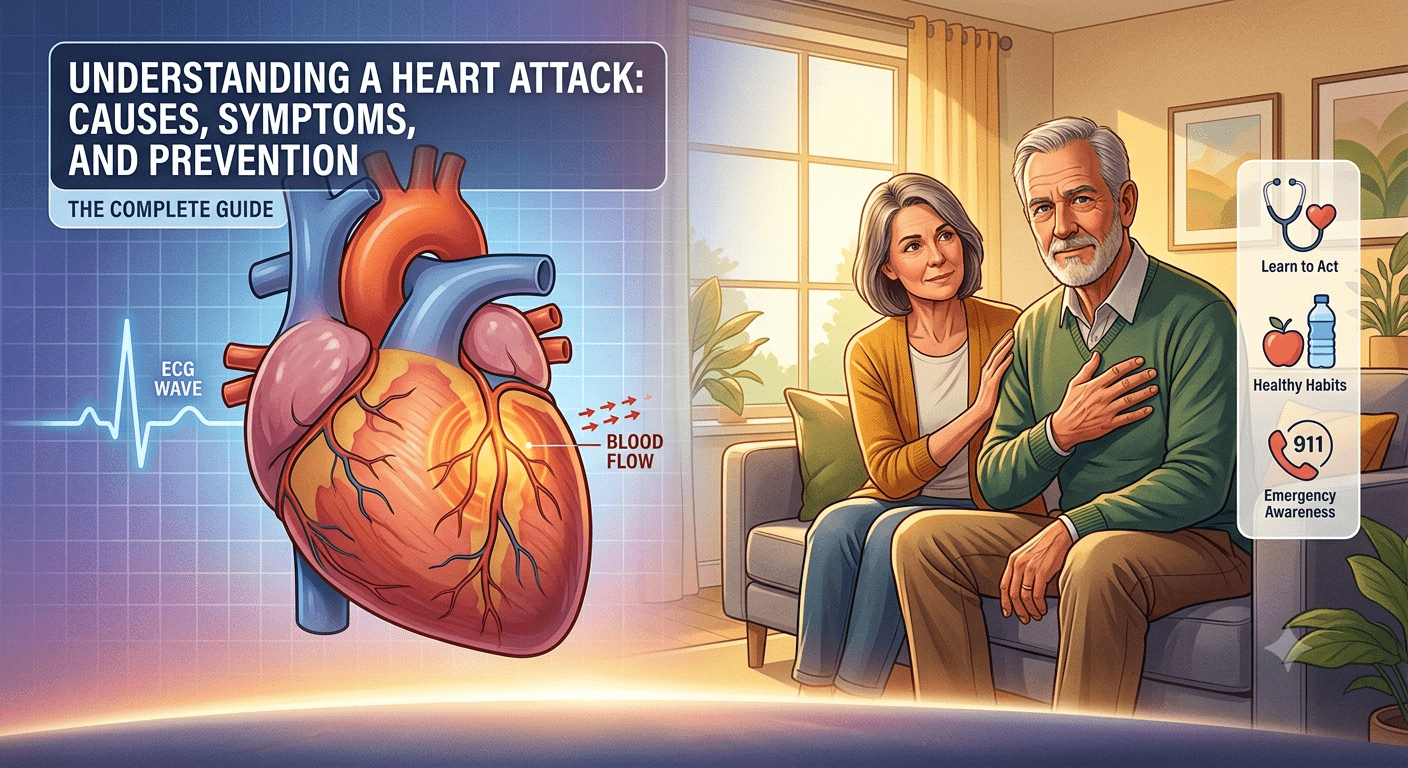
It doesn’t always start with a cinematic collapse. It often starts with a quiet, heavy tightness in your chest—like an invisible weight holding you down while you’re simply sitting at home or pouring your morning coffee. Your breath gets short, a cold sweat breaks out, and a strange pain creeps up into your jaw. In that single, terrifying second, your body is sounding the Alarm. This is a heart attack, and every tick of the clock counts.
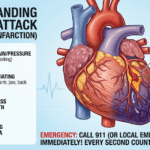
A heart attack, known medically as a myocardial infarction, occurs when the flow of oxygen-rich blood to a section of the heart muscle becomes severely reduced or completely blocked. This blockage usually happens because of coronary artery disease—a gradual buildup of fatty deposits, cholesterol, and cellular debris known as plaque inside the arteries.
When a piece of this plaque ruptures, a blood clot quickly forms over the area. If the clot shuts off blood supply, the affected heart muscle cells are starved of essential oxygen and nutrients. Within minutes, tissue damage begins.Unlike cardiac arrest, which is an electrical problem causing the heart to suddenly stop beating, a heart attack is a circulation problem. The longer the block remains untreated, the greater the permanent damage to the heart—making immediate medical intervention critical for survival and recovery.
This article provides a clear, step-by-step guide to understanding heart attacks. We will break down the biological causes, uncover key warning signs—including the easy-to-miss symptoms in women—and walk through the critical emergency steps to take. Finally, you’ll discover proven, practical lifestyle strategies to lower your risk and protect your heart health for years to come.
II. What Happens During a Heart Attack?
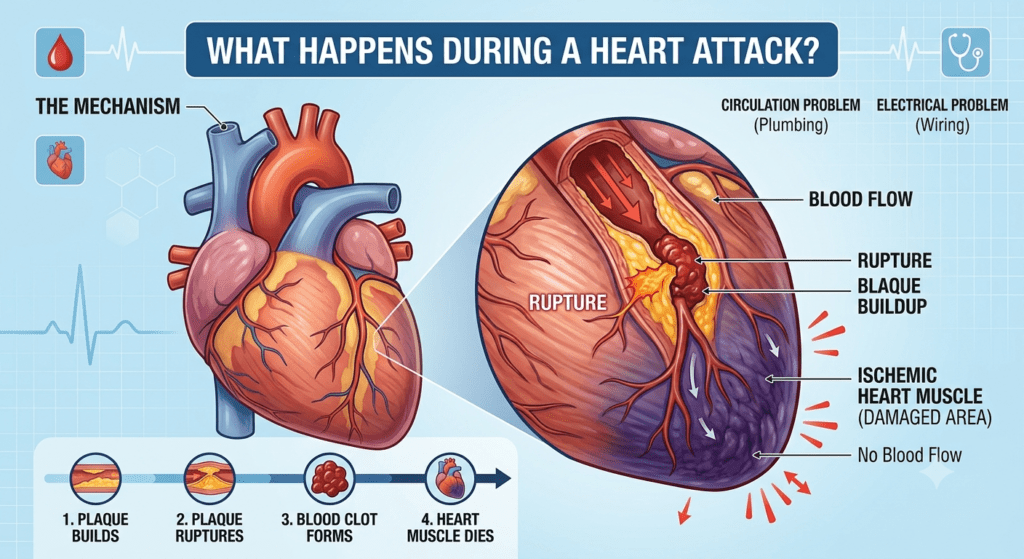
Think of your heart as a powerful motor that relies on a constant supply of fuel. That fuel is oxygen-rich blood, delivered through pathways called coronary arteries. Over time, factors like high cholesterol and stress cause fatty plaque to build up inside these arteries, narrowing the passage.
A heart attack occurs when this plaque ruptures, causing a blood clot to form instantly. This clot acts like a sudden road closure, completely blocking blood flow. Deprived of vital oxygen, the heart muscle cells downstream begin to suffer damage within minutes. The longer the blockage remains, the more heart tissue is lost—which is why fast action saves lives.
Many people use these terms interchangeably, but they are entirely different medical emergencies. The simplest way to remember it is: a heart attack is a plumbing problem, while cardiac arrest is an electrical problem.
- Heart Attack (Plumbing): Blood flow to the heart is blocked. The heart usually keeps beating, and the person remains conscious while experiencing symptoms like chest pain or shortness of breath.
- Cardiac Arrest (Electrical): The heart’s electrical system malfunctions, causing it to suddenly stop beating altogether. The person collapses, loses consciousness, and stops breathing within seconds.
III. Recognizing the Warning Signs & Symptoms
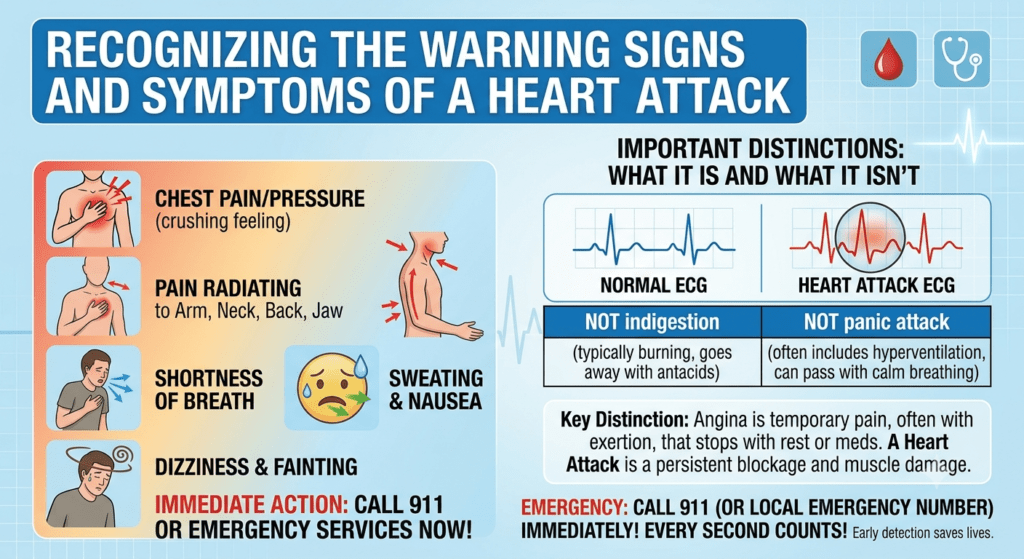
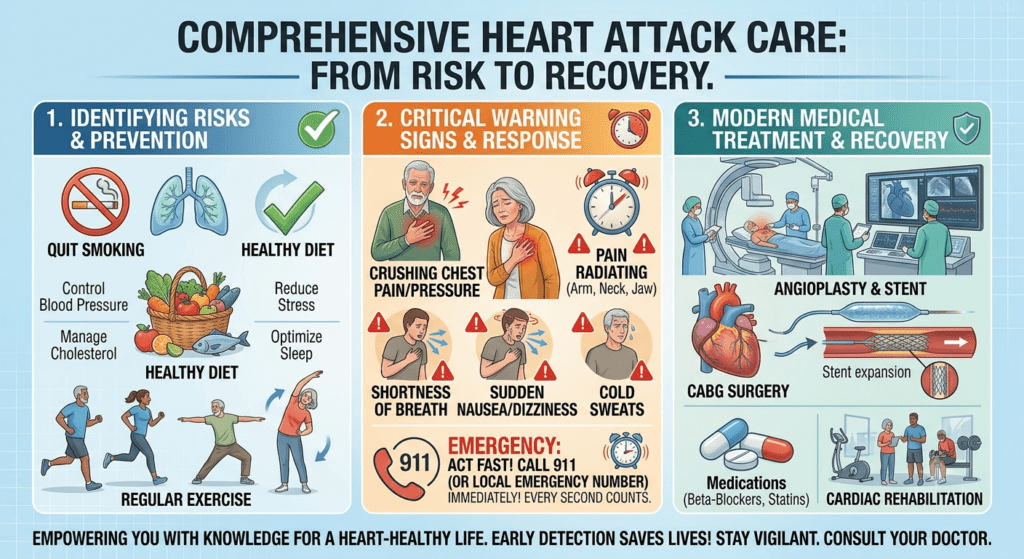
A heart attack rarely happens like it does in the movies with a sudden, dramatic collapse. Most often, it starts with uncomfortable pressure, squeezing, or fullness in the center of your chest that lasts more than a few minutes or goes away and comes back. Pain or discomfort can also radiate to your arms (especially the left), back, neck, jaw, or stomach. Accompanied by shortness of breath, cold sweats, or sudden lightheadedness, these warning signs mean your heart is starving for oxygen—and immediate emergency action is required.
While chest pain remains the most common sign for both men and women, women are far more likely to experience subtle, non-traditional symptoms. Instead of overwhelming chest pressure, women often report extreme unexplained fatigue, nausea, vomiting, dizziness, or sharp pain in the back, neck, or jaw. Because these signs are easily mistaken for indigestion, flu, or stress, women frequently delay seeking help. Recognizing that heart attacks can present quietly without crushing chest pain is crucial for early detection and saving lives.
IV. What to Do Immediately (Emergency Protocol)
If you suspect you or someone nearby is having a heart attack, every second counts.
- Call 911 (or local emergency services) immediately. Never attempt to drive yourself to the hospital unless there are no other options available. Paramedics can begin lifesaving treatment the moment they arrive.
- Chew a regular-strength aspirin (325 mg) if you are not allergic, as chewing speeds up its ability to thin the blood and break down clots.
- Rest and stay calm. Sit down in a comfortable position to reduce strain on your heart while waiting for help.
V. Major Causes and Risk Factors
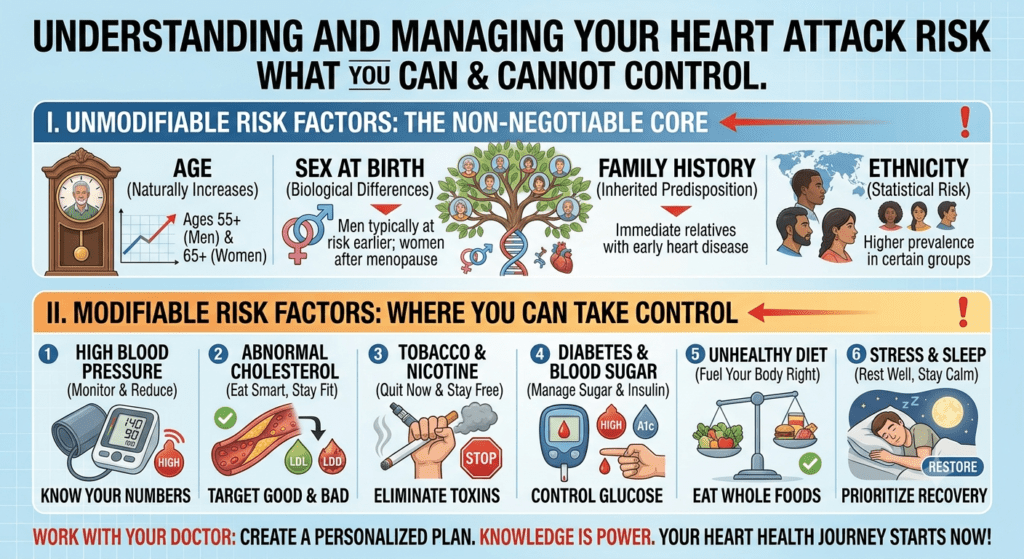
Some heart attack risk factors are entirely beyond your control, making awareness your strongest defense. As you age, your risk naturally increases. Gender also plays a vital role: men face a higher risk earlier in life, though a woman’s risk rises significantly post-menopause.
Additionally, your family tree holds major clues—genetics can predispose you to high blood pressure or early heart disease regardless of your fitness level. While you can’t alter your birth date, biological sex, or DNA, knowing these non-negotiable factors helps you and your doctor take a far more aggressive approach toward managing the risks you can control.
The powerful truth about heart disease is that most risk factors are fully within your power to change. Everyday choices directly dictate your cardiovascular health:
- Silent Killers: Unmanaged high blood pressure and elevated cholesterol silently damage and clog your arteries over time.
- Toxic Habits: Smoking and tobacco use drastically restrict oxygen in your blood while irritating artery walls.
- Metabolic Health: Diabetes and insulin resistance elevate blood sugar, accelerating plaque buildup.
- Lifestyle Choices: A sedentary routine, a diet packed with ultra-processed foods, and carrying excess weight strain your heart daily.
- Rest & Recovery: Chronic stress and inadequate sleep flood your body with harmful stress hormones.
VI. Diagnosis and Medical Treatment
When a heart attack strikes, rapid diagnosis dictates survival. In the emergency department, doctors quickly perform an electrocardiogram (ECG/EKG) to measure the heart’s electrical activity and run blood tests checking for cardiac enzymes like troponin, which signal heart muscle damage.
Immediate treatment focuses on restoring vital blood flow. Physicians may administer thrombolytics (“clot-busters”) or powerful blood thinners. For severe blockages, surgical intervention is necessary:
- Angioplasty & Stenting: A minimally invasive procedure where a tiny balloon inflates the blocked artery and a mesh stent keeps it open.
- Coronary Artery Bypass Grafting (CABG): Open-heart surgery that uses a healthy blood vessel from another part of the body to detour blood around the blocked artery.
Recovery extends beyond emergency care. Long-term management relies on daily medications—such as beta-blockers, statins, and ACE inhibitors—paired with a structured cardiac rehabilitation program to strengthen the heart and prevent future events.
VII. Prevention: How to Protect Your Heart
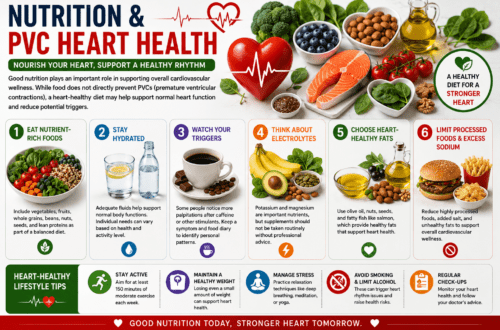
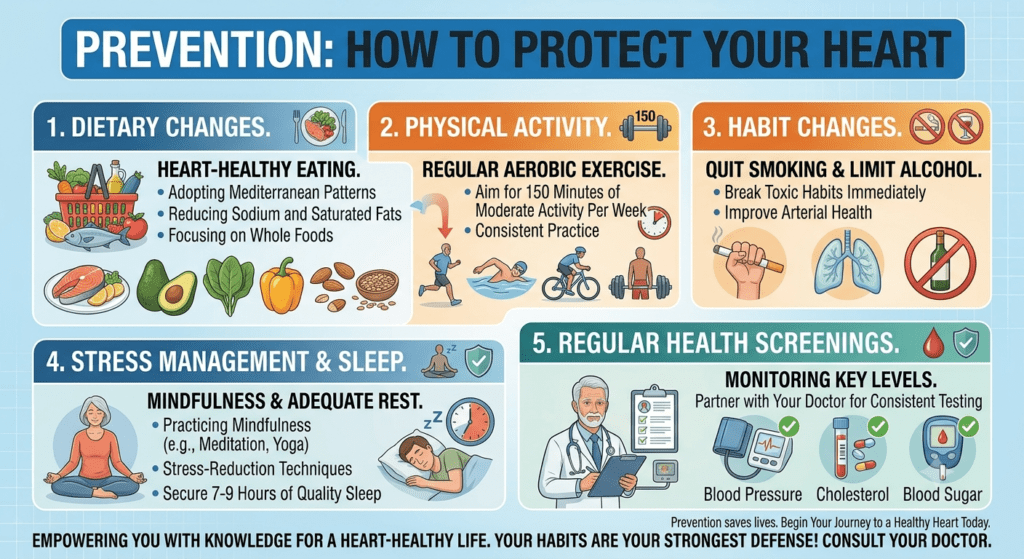
Preventing a heart attack comes down to daily, actionable habits that protect your vascular system. A heart-healthy foundation starts with diet: adopt patterns like the Mediterranean diet, prioritizing whole foods while drastically cutting back on saturated fats and sodium. Complement your nutrition with physical activity—aim for at least 150 minutes of moderate aerobic exercise each week to keep your heart muscle strong.
Breaking toxic habits is equally critical. Quitting smoking immediately improves arterial health, while limiting alcohol protects blood pressure. Don’t overlook rest and mental well-being: practicing mindfulness, managing stress, and securing 7–9 hours of quality sleep nightly reduce chronic cortisol levels that strain your heart.
Finally, partner with your doctor for regular health screenings. Consistently monitoring your blood pressure, cholesterol, and blood sugar allows you to catch and manage risks long before they turn into emergencies.
VIII. Conclusion
A heart attack is a critical medical emergency, but it is not an inevitable fate. As we have explored throughout this guide, the majority of cardiovascular risks are often preventable through proactive lifestyle choices, and even severe events are highly treatable when recognized and acted upon early. Knowing the warning signs and understanding your risk profile gives you the power to intervene long before a crisis occurs.
Your cardiovascular health is ultimately an ongoing journey built on small, daily decisions. Don’t wait for a warning sign to prioritize your well-being:
- Schedule a health checkup: Partner with your doctor to review your blood pressure, cholesterol, and blood sugar levels.
- Learn CPR: Equipping yourself with basic chest compression skills can double a heart attack victim’s chances of survival.
- Listen to your body: Never brush off unexplained symptoms or unusual fatigue.
Empower yourself today—your heart will thank you tomorrow.
Medical Disclaimer: The information provided in this guide is for educational and informational purposes only and is not intended as medical advice, diagnosis, or treatment. Always seek the advice of a qualified healthcare provider with any questions you may have regarding a medical condition. If you believe you or someone else is experiencing a medical emergency or heart attack, call 911 (or your local emergency number) immediately.