






Every 40 seconds, someone in the United States suffers a heart attack. According to data from the Centers for Disease Control and Prevention (CDC), cardiovascular disease remains the leading cause of death across the nation, cutting across demographics and geographic boundaries.
Yet, beneath these sobering statistics lies a profoundly empowering truth recognized by major medical authorities like the American Heart Association (AHA) and the American College of Cardiology (ACC): up to 80% of premature heart attacks and strokes are entirely preventable.
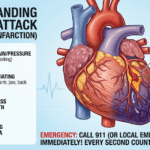
A heart attack (myocardial infarction) is rarely a random stroke of bad luck. Instead, it is typically the culmination of decades of silent, progressive arterial damage known as atherosclerosis—the buildup of fatty, cholesterol-rich plaque inside the coronary arteries.
If you are wondering how to prevent a heart attack, the answer does not lie in a single quick fix or a miracle supplement. It requires a strategic, multifaceted approach to your daily habits, clinical monitoring, and risk management.
This comprehensive, SEO-optimized guide breaks down the exact clinical strategies, dietary frameworks, lifestyle modifications, and medical screenings required to bulletproof your cardiovascular system and dramatically lower your risk of a cardiac event.
1. Adopt a Cardioprotective Dietary Framework
Your kitchen is your primary defense line against coronary artery disease. What you eat directly dictates your systemic inflammation levels, blood pressure, blood sugar stability, and your lipid (cholesterol) profile.
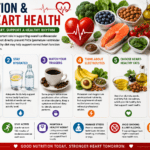
To optimize your diet for heart attack prevention, prioritize the following evidence-based nutrition principles:
Embrace the Mediterranean and DASH Eating Styles
Decades of clinical research, including the landmark PREDIMED study, consistently rank the Mediterranean diet as the gold standard for cardiovascular longevity. Similarly, the DASH (Dietary Approaches to Stop Hypertension) diet is highly effective at lowering blood pressure. Both frameworks place emphasis on:
- Whole, Intact Grains: Oats, quinoa, brown rice, and whole wheat, which provide soluble fiber that binds to cholesterol in the digestive tract and carries it out of the body.
- Polyphenol-Rich Vegetables and Fruits: Leafy greens (spinach, kale), cruciferous vegetables (broccoli), and deeply colored berries provide essential antioxidants that prevent the oxidation of LDL cholesterol—a critical step in plaque formation.
- Healthy Fats over Saturated Fats: Replace butter, lard, and coconut oil with extra virgin olive oil and avocados, which are rich in monounsaturated fats that support healthy lipid levels.
Ruthlessly Eliminate Trans Fats and Limit Sodium
- Trans Fats: Check nutrition labels for “partially hydrogenated oils.” Artificial trans fats significantly lower HDL (“good”) cholesterol while raising dangerous LDL (“bad”) cholesterol and inducing endothelial inflammation.
- Sodium Management: The average American consumes over 3,400 mg of sodium per day, primarily from processed and restaurant foods. To protect your arterial walls from the high structural pressure that leads to heart attacks, keep your daily sodium intake below 2,300 mg, with an ideal target of 1,500 mg for optimal blood pressure management.
2. Implement an Optimal Physical Activity Strategy
Physical inactivity is a major, independent risk factor for cardiovascular disease. Regular exercise alters the physical structure of your circulatory system: it makes your heart muscle a more efficient pump, increases the diameter of your blood vessels, and stimulates the growth of new capillary beds.
[Sedentary Lifestyle] ──► [Stiff Arteries + High Resting Heart Rate]
                                    │
                                    ▼ (Introduce 150 Mins/Week Cardio)
[Exercise Implemented] ──► [Nitric Oxide Secretion + Smooth Vessel Dilation]
                                    │
                                    ▼
[Cardiovascular Adaptation ──► Lower Blood Pressure & Reduced Heart Workload]
To meet the official clinical guidelines set by the AHA for preventing a heart attack, aim for one of the following weekly activity targets:
- Moderate-Intensity Aerobic Exercise: At least 150 minutes per week of activities like brisk walking (at a pace where you can talk but not sing), cycling on flat terrain, or water aerobics. This can easily be broken down into 30 minutes a day, 5 days a week.
- Vigorous-Intensity Aerobic Exercise: At least 75 minutes per week of higher-stakes cardiovascular activities like running, lap swimming, high-intensity interval training (HIIT), or playing competitive singles tennis.
- Strength Training: Supplement your aerobic training with at least two days per week of resistance or weight-bearing exercises targeting all major muscle groups. Building lean muscle mass significantly improves insulin sensitivity, which helps manage blood sugar levels and prevents metabolic damage to your arteries.
3. Know Your Numbers: Essential Clinical Screenings
You cannot manage what you do not measure. Atherosclerosis is a notoriously silent process; high blood pressure and high cholesterol can slowly erode your vascular health for decades without causing a single noticeable symptom. To successfully prevent a heart attack, you must proactively track these four foundational health biometrics with your primary care physician:
1. Blood Pressure (The Silent Killer)
- The Goal: Maintain a baseline reading below 120/80 mmHg.
- Why it matters: Chronically elevated blood pressure (hypertension) exerts constant mechanical stress against the delicate inner lining of your arteries, causing microscopic tears where circulating cholesterol can easily embed itself and form plaques.
2. Full Lipid Panel (Cholesterol Fractions)
- The Goal: For primary prevention in individuals without established heart disease, an LDL cholesterol level below 100 mg/dL is generally recommended. If you have advanced risk factors or diabetes, your doctor may aim for an aggressive target below 70 mg/dL.
- The Nuance: Pay special attention to your Apolipoprotein B (ApoB) or Non-HDL cholesterol levels if ordered by your physician. These markers count the exact number of plaque-causing particles in your bloodstream, providing a more accurate assessment of risk than a standard LDL test alone.
3. Hemoglobin A1c (Blood Sugar Tracking)
- The Goal: Keep your HbA1c below 5.7%. A reading between 5.7% and 6.4% indicates prediabetes, while 6.5% or higher signals type 2 diabetes.
- Why it matters: Chronic high blood sugar damages the blood vessels and the nerves that control your heart, dramatically accelerating plaque accumulation.
4. High-Sensitivity C-Reactive Protein (hs-CRP)
- The Goal: A score below 1.0 mg/L indicates low systemic inflammation.
- Why it matters: Inflammation acts as the fuel that makes cholesterol plaque unstable. A high hs-CRP level means your plaques are more prone to rupturing and triggering a sudden, unexpected heart attack.
4. Eliminate Toxic Habits: Smoking, Vaping, and Excessive Alcohol
No amount of healthy eating or exercise can overcome the severe cardiovascular damage caused by regular substance exposure.
Quit Nicotine Permanently
Smoking is responsible for roughly one in every four deaths from cardiovascular disease in the United States.
When you inhale tobacco smoke or electronic cigarette vapor, the chemical compounds instantly cause acute endothelial dysfunction—the inner lining of your blood vessels loses its ability to dilate. Furthermore, nicotine increases your heart rate and spikes your blood pressure, while carbon monoxide reduces the amount of oxygen your blood can carry.
The moment you quit smoking, your heart attack risk drops rapidly: just one year after quitting, your excess risk of a heart attack is cut cleanly in half.
Restrict and Minimize Alcohol Intake
While older, flawed observational studies once suggested that moderate red wine consumption was beneficial for the heart, modern genetic and clinical analyses have dismantled this idea.
Excessive alcohol consumption raises your blood pressure, increases your circulating triglycerides, and elevates your risk of cardiomyopathy (weakened heart muscle). To prioritize prevention, limit intake to a maximum of one drink per day for women and two drinks per day for men, or eliminate alcohol completely.
5. Optimize Your Mental Health and Sleep Architecture
Modern cardiology recognizes that emotional stress and poor sleep patterns are just as damaging to the coronary arteries as a poor diet.
Mitigate Chronic Psychological Stress
When you experience ongoing financial, professional, or relational stress, your body stays locked in a sympathetic “fight-or-flight” state. This chronically floods your bloodstream with stress hormones like cortisol and adrenaline.
Over time, elevated cortisol promotes systemic inflammation, insulin resistance, and visceral fat accumulation, while adrenaline spikes your heart rate and blood pressure. Incorporate proven stress-reduction techniques into your routine, such as mindfulness meditation, structured breathwork, or regular time spent outdoors in nature.
Prioritize High-Quality Sleep
Adults who regularly sleep less than seven hours per night have a significantly higher risk of developing cardiovascular disease and experiencing a heart attack.
During deep sleep, your body enters a natural restorative phase where your heart rate slows down and your blood pressure drops—a process known as nocturnal dipping. Without this nightly circulatory rest period, your risk of arterial stiffening increases. Ensure your bedroom is cool, dark, and entirely free of screens to support deep, uninterrupted sleep.
The Ultimate Prevention Reference Checklist
| Prevention Pillar | Daily/Weekly Action Item | Target Clinical Goal |
|---|---|---|
| Cardio Nutrition | Maximize whole foods, olive oil, and fiber. Avoid trans fats. | Sodium intake <2,300 mg/day |
| Physical Activity | 150 mins of moderate or 75 mins of vigorous activity. | 30 mins a day, 5 days a week |
| Vascular Tracking | Schedule an annual physical with a primary doctor. | Blood Pressure <120/80 mmHg |
| Metabolic Health | Avoid refined sugars and processed carbohydrates. | Hemoglobin A1c <5.7% |
| Habit Elimination | Zero use of traditional cigarettes or vape pens. | Smoking status: Fully Quit |
| Sleep Metrics | Maintain a consistent sleep and wake-up schedule. | 7 to 9 hours of restful sleep per night |
Conclusion: Take Immediate Action for Your Heart
Preventing a heart attack is not about achieving perfection; it is about building consistent, healthy daily habits. Your cardiovascular system is remarkably responsive to positive adjustments. By embracing a nutrient-dense Mediterranean or DASH style diet, committing to regular physical activity, quitting nicotine, and scheduling an annual physical to track your biometrics, you are actively dismantling the mechanisms that cause arterial plaque buildup.
Do not wait for a sudden warning sign or a cardiovascular emergency to take your heart health seriously. Book an evaluation with a primary care doctor or a board-certified cardiologist today, discover your baseline numbers, and proactively design an personalized prevention blueprint. Your long-term health and longevity depend entirely on the choices you make today.


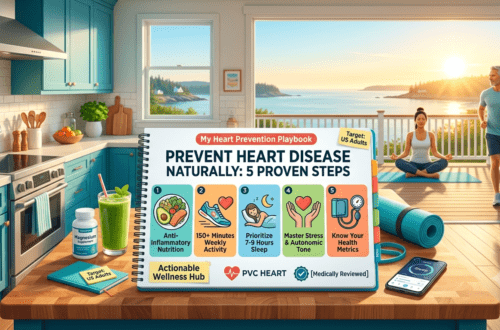
![lt="A healthy, active woman jogging on a coastal path at sunrise, smiling and full of vitality. In the background, a modern medical infographic sign reads: 'Heart Prevention Is Better Than Cure: Tracking Your Numbers [AHA/ESC Data]'. The scene is authoritative and inspirational."](https://pvcheart.com/wp-content/uploads/2026/07/Gemini_Generated_Image_ximg33ximg33ximg-500x330.png)