





Receiving a cardiovascular diagnosis—or recognizing that you carry major risk factors—is a pivoting crossroad. It is entirely normal to feel a sudden wave of vulnerability about your daily habits. However, modern clinical cardiology emphasizes that your lifestyle is one of the most powerful tools available to modify the trajectory of cardiovascular disease.
According to data from the American Heart Association (AHA), lifestyle interventions alone can significantly lower the risks of recurrent cardiac events. Your heart is an remarkably resilient muscle, and healthy living for heart disease isn’t about rigid deprivation. Instead, it is about shifting your daily routines toward sustainable, high-impact choices that nourish your vascular system.
This comprehensive guide breaks down evidence-based nutrition, intentional movement, stress management, and daily habits designed to safeguard your heart.
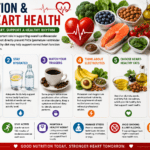
1. Fueling the Engine: The Ultimate Heart-Healthy Diet Plan
Nutrition is the literal infrastructure of your blood vessels. What you consume directly dictates blood pressure, systemic inflammation, and the composition of cholesterol plaques within your coronary arteries.
The Power of the Mediterranean and DASH Frameworks
Cardiovascular clinical guidelines continuously point to two highly validated dietary patterns: the Mediterranean Diet and the DASH (Dietary Approaches to Stop Hypertension) framework. Rather than acting as restrictive crash diets, these models emphasize loading your plate with dense, unrefined, whole foods.
- Prioritize Healthy Fats: Completely eliminate industrial trans fats and minimize saturated fats from fatty meats. Replace them with monounsaturated and polyunsaturated fats. Think extra virgin olive oil, avocados, and raw nuts like walnuts and almonds. These fats help lower dangerous LDL cholesterol while preserving protective HDL cholesterol.
- Incorporate Omega-3 Fatty Acids: Strive for at least two servings per week of cold-water, fatty fish such as wild-caught salmon, mackerel, and sardines. Omega-3s reduce the risk of arrhythmias, lower triglyceride levels, and temper vascular inflammation.
- Load Up on Soluble Fiber: Soluble fiber acts like a sponge in your digestive tract, binding to cholesterol molecules and escorting them out of your body before they enter your bloodstream. Excellent sources include steel-cut oatmeal, Brussels sprouts, black beans, lentils, and apples.
Keeping Sodium and Added Sugars in Check
High sodium intake forces your kidneys to retain water, increasing the overall volume of blood pumping through your system and elevating blood pressure. The AHA recommends aiming for an ideal limit of 1,500 mg of sodium per day for adults, especially those with existing hypertension.
Furthermore, hidden added sugars—frequently packed into processed snacks, condiments, and sodas—trigger insulin spikes that accelerate arterial stiffening. Prioritize clean, whole ingredients and make a habit of scanning nutrition labels for added sugars and hidden sodium content.
2. Intentional Movement: Conditioning Your Cardiac Muscle
Just like your biceps or hamstrings, your heart is a muscle that grows stronger and more efficient through calculated physical exertion.
Regular exercise enhances your body’s ability to extract oxygen from circulating blood. This means your heart does not have to work as hard or beat as fast to keep your body fueled.
[Regular Cardiovascular Physical Activity]
                  │
                  ▼
[Enhanced Cellular Oxygen Extraction]
                  │
                  ▼
[Decreased Myocardial Workload & Lower Baseline HR]
The Standard Physical Activity Blueprint
For optimal cardiovascular health, the CDC and AHA recommend a baseline goal of:
The 150-Minute Rule: Accumulate at least 150 minutes of moderate-intensity aerobic activity per week, or 75 minutes of vigorous aerobic activity per week (or an equivalent combination), ideally spread evenly throughout the week.
What qualifies as moderate-intensity? A simple way to check is the “talk test.” If you can talk comfortably while moving but lack the breath to sing your favorite song, you are in the ideal target zone. This includes brisk walking (at a pace of 3 mph or faster), water aerobics, leisurely cycling, or active gardening.
Don’t Skip Resistance Training
Many individuals believe that healthy living for heart disease only involves cardio exercises like running or walking. However, incorporating moderate resistance or strength training at least two days per week is highly beneficial. Building lean muscle mass optimizes your metabolic health, improves insulin sensitivity, and helps naturally lower resting blood pressure.
Safety Note: If you have a known history of heart failure, recent myocardial infarction, or severe arrhythmias, always consult your cardiologist before beginning a new exercise regimen. They can provide tailored guidance or refer you to a structured Cardiac Rehabilitation program.
3. Stress Mitigation and The Mind-Heart Connection
We often treat stress as an entirely mental burden, but its physiological effects land squarely on your cardiovascular system.
When you experience chronic stress, anxiety, or deep burnout, your brain triggers a steady release of stress hormones like cortisol and adrenaline. Over time, this chronic “fight-or-flight” activation elevates your baseline heart rate, constricts your blood vessels, and drives up systemic inflammation.
Evidence-Based Stress Reducers:
- Mindfulness Meditation and Breathwork: Dedicating just 10 minutes a day to focused diaphragmatic breathing or guided meditation can rapidly stimulate your vagus nerve. This shifts your nervous system out of sympathetic panic and into a restorative parasympathetic state, naturally lowering your blood pressure.
- Prioritize Restorative Sleep: Chronic sleep deprivation is directly tied to an increased risk of obesity, high blood pressure, and heart attacks. Strive for 7 to 9 hours of quality sleep each night. Keep your bedroom cool, dark, and entirely free of digital screens for at least an hour before bedtime.
4. Key Daily Habits for Long-Term Structural Protection
Beyond food and exercise, achieving true longevity while managing or preventing heart disease requires addressing a few non-negotiable daily lifestyle factors.
+---------------------+---------------------------------------+---------------------------------------+
| Core Life Habit     | Physical Impact on the Heart          | Actionable First Step                 |
+---------------------+---------------------------------------+---------------------------------------+
| Complete Smoking    | Instantly eliminates chemicals that   | Speak with a clinician about nicotine |
| Cessation           | scar blood vessel walls               | replacement therapies or counseling   |
+---------------------+---------------------------------------+---------------------------------------+
| Moderate or Zero    | Excess alcohol weakens heart muscle   | Keep intake below 1 drink/day for     |
| Alcohol Consumption | (cardiomyopathy) and raises BP        | women, or 2 drinks/day for men        |
+---------------------+---------------------------------------+---------------------------------------+
| Strategic Weight    | Reduces physical strain on cardiac    | Aim for a gradual loss of 5% to 10%   |
| Optimization        | walls and blood vessels               | of starting weight to see vast gains  |
+---------------------+---------------------------------------+---------------------------------------+
Complete Smoking and Vaping Cessation
Nicotine is a potent vascular toxin. The dangerous chemicals inside tobacco smoke cause cellular damage to the delicate lining of your arteries (the endothelium), accelerating the buildup of fatty plaques and making your blood significantly thicker and more prone to clotting.
If you smoke, quitting is the single most impactful action you can take for your health. Within just one year of quitting tobacco, your absolute risk of a heart attack drops by a staggering 50%.
Proactive Biomarker Management
A healthy lifestyle works hand-in-hand with medical therapies—it doesn’t replace them. Healthy living means remaining proactive about your personal vital numbers.
Make it a habit to track your blood pressure at home, keep up with scheduled doctor appointments, and check your cholesterol panels routinely. If your doctor prescribes medication like a statin or a blood pressure lowerer, take it exactly as directed while maintaining your healthy lifestyle adjustments.
Conclusion: Building a Resilient, Heart-Healthy Future
Transitioning into a heart-healthy lifestyle does not mean you have to overhaul your entire life overnight. Drastic, overnight changes are rarely sustainable. Instead, focus on small, consistent victories: choose olive oil over butter today, add a 15-minute walk to your lunch break tomorrow, and practice a few deep breaths when work feels overwhelming.
By consistently choosing whole, nutrient-dense foods, keeping your body in motion, managing stress levels, and monitoring your personal health metrics, you are proactively protecting your heart. These sustainable shifts give your cardiovascular system the support it needs to stay strong, energetic, and resilient for years to come.
Disclaimer: This article is for educational purposes only and should not replace professional medical advice, diagnosis, or personalized treatment plans. Always consult your physician or a board-certified cardiologist before making significant changes to your diet, exercise routine, or medication schedule.


