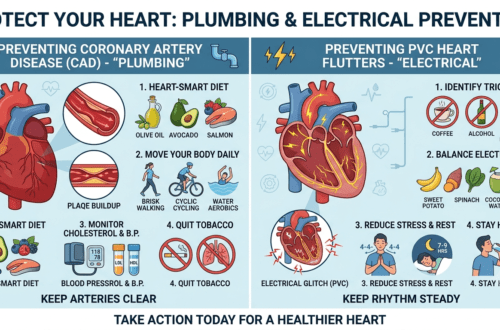






Premature Ventricular Contractions (PVCs) cause sudden, uncomfortable chest flutters. Feeling your heart skip a beat can feel alarming.
While medical treatments exist, prevention is always the best first step. Many PVCs are triggered by daily habits, environmental stressors, and diet choices. Making targeted adjustments can lower your PVC burden and restore your peace of mind.
This guide details effective, evidence-based strategies to prevent PVC heart beats.
Understanding What Triggers PVCs
Before you can prevent extra beats, you must understand what triggers them. PVCs happen when an irritable spot in the lower heart chambers fires early.
Certain factors make your heart cells more sensitive to electrical disturbances:
- Surges of adrenaline: Caused by stress, fear, or heavy exertion.
- Chemical irritants: Found in caffeine, nicotine, and alcohol.
- Electrolyte imbalances: Lacking essential minerals like magnesium or potassium.
- Lack of physical rest: Chronic fatigue elevates baseline stress hormones.
By controlling these factors, you can prevent many extra beats before they start.
Step 1: Optimize Your Diet for Heart Rhythm Stability
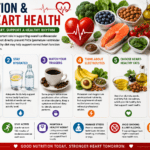
Your heart relies on specific nutrients to maintain a steady electrical signal. Adjusting your diet is one of the most powerful prevention tools available.
Boost Magnesium Intake
Magnesium calms the nervous system and relaxes cardiac muscle cells. Low magnesium levels are directly linked to frequent PVCs.
Top magnesium-dense foods:
- Spinach and Swiss chard
- Pumpkin seeds and almonds
- Dark chocolate (70% cocoa or higher)
- Black beans and avocados
Maintain Optimal Potassium Levels
Potassium helps control fluid balance and electrical activity in the heart. Even minor drops in potassium can provoke extra contractions.
Great sources of potassium:
- Bananas and sweet potatoes
- Cooked lentils and white beans
- Coconut water
- Fresh salmon
Precaution: If you have kidney disease or take blood pressure medications, consult your doctor before taking potassium or magnesium supplements.
Stay Well Hydrated
Dehydration reduces your blood volume. This forces your heart to pump faster and harder, triggering extra beats.
Target 8 to 10 glasses of water daily. Drink extra fluid when exercising or during hot weather to keep your heart working efficiently.
Step 2: Eliminate Common Chemical Triggers
Many daily substances act as direct stimulants to the heart muscle. Removing or limiting these irritants can yield immediate results.
Cut Back on Caffeine
Caffeine stimulates the central nervous system. It increases your heart rate and makes cardiac tissue more prone to extra spikes.
- Gradually switch from high-caffeinated energy drinks to green tea.
- Limit coffee consumption to one small cup per day.
- Pay attention to hidden caffeine in dark chocolate, sodas, and pre-workout supplements.
Avoid Alcohol and Binge Drinking
Alcohol directly affects the heart’s electrical pathways. It disrupts normal rhythm patterns and dehydrates the body.
If you experience frequent PVCs, consider cutting out alcohol entirely for two weeks. Note if your symptoms improve during this test period.
Beware of Over-the-Counter Drugs
Certain over-the-counter medications contain hidden heart stimulants. Always check labels carefully.
- Decongestants: Pseudoephedrine and phenylephrine constrict blood vessels and raise heart rate.
- Diet pills: Many weight loss supplements contain intense stimulants that provoke arrhythmias.
Step 3: Master Stress and Anxiety Management
Stress triggers the release of adrenaline and cortisol. These fight-or-flight hormones directly irritate the heart’s pacemaker cells.
Practice Box Breathing
When you feel anxious or notice heart flutters, use the 4-4-4-4 Box Breathing Method:
Box Breathing Pattern:
[1] Inhale through your nose for 4 seconds
[2] Hold your breath for 4 seconds
[3] Exhale through your mouth for 4 seconds
[4] Hold your lungs empty for 4 seconds
[5] Repeat for 3 to 5 cycles
This simple technique stimulates the vagus nerve. It quickly slows your heart rate and suppresses adrenaline spikes.
Engage in Mindful Exercise
Regular physical activity strengthens your heart muscle. However, extreme high-intensity workouts can sometimes trigger extra beats.
Choose steady, moderate activities:
- Daily brisk walking for 30 minutes
- Gentle yoga and stretching
- Swimming at an even pace
- Cycling on flat terrain
Step 4: Prioritize Quality Sleep Hygiene
Sleep deprivation puts severe stress on your cardiovascular system. Poor sleep increases nighttime adrenaline and raises baseline blood pressure.
Build a Solid Nighttime Routine
- Go to sleep and wake up at the exact same time every day.
- Keep your bedroom dark, quiet, and cool (65°F to 68°F).
- Avoid bright screens (phones, TVs, computers) at least one hour before bed.
Screen for Sleep Apnea
Obstructive Sleep Apnea (OSA) causes you to stop breathing briefly while sleeping. This drops your blood oxygen levels drastically and spikes your heart rate.
Untreated sleep apnea is a leading cause of persistent PVCs. If you snore loudly or feel exhausted upon waking, ask your doctor for a sleep evaluation.
Prevention Strategy Matrix
Use this quick checklist to target key lifestyle factors:
| Prevention Area | Daily Target Goal | Expected Heart Benefit |
| Hydration | 80 to 100 oz of water daily | Prevents blood volume drops and strain |
| Mineral Support | Rich in magnesium and potassium | Calms irritable heart tissue signals |
| Stimulant Control | Zero energy drinks, minimal coffee | Reduces artificial adrenaline surges |
| Sleep Habits | 7 to 9 hours of quality sleep | Lowers overall stress hormones |
When Prevention Is Not Enough
Lifestyle prevention works wonders for many, but it is not a complete substitute for medical evaluation.
Schedule an appointment with a cardiologist if:
- Your extra beats persist despite making healthy lifestyle changes.
- You experience dozens of flutters every hour.
- You have a personal or family history of structural heart conditions.
Emergency Warning Signs
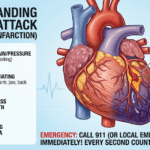
Never ignore serious symptoms. Seek immediate emergency care if extra beats are accompanied by:
- Sudden, severe chest pain or tightness
- Unexplained fainting or blackout spells
- Severe shortness of breath
- Extreme dizziness or confusion
Summary: Building a PVC-Free Routine
Preventing PVC heart beats relies on consistent, low-stress living. By nourishing your body with key minerals, staying hydrated, cutting out stimulants, and managing emotional stress, you empower your heart to stay in a steady rhythm.
Small daily actions build long-term cardiac stability. Take control of your habits today for a calmer, healthier heart tomorrow.Learn More.


![lt="A healthy, active woman jogging on a coastal path at sunrise, smiling and full of vitality. In the background, a modern medical infographic sign reads: 'Heart Prevention Is Better Than Cure: Tracking Your Numbers [AHA/ESC Data]'. The scene is authoritative and inspirational."](https://pvcheart.com/wp-content/uploads/2026/07/Gemini_Generated_Image_ximg33ximg33ximg-500x330.png)