




Heart disease remains the leading killer in America. However, cardiac care is evolving rapidly. FDA drug approvals and AI screening tools are changing medicine. Prevention is now replacing late-stage treatment.
Staying informed helps patients and caregivers make better health decisions. Here is your roundup of the top cardiology medical news.
Medical Disclaimer: This article is for informational purposes only. It is not medical advice. Always consult your cardiologist about your health. Never ignore medical advice or delay treatment based on online content. Call 911 immediately in a cardiac emergency.
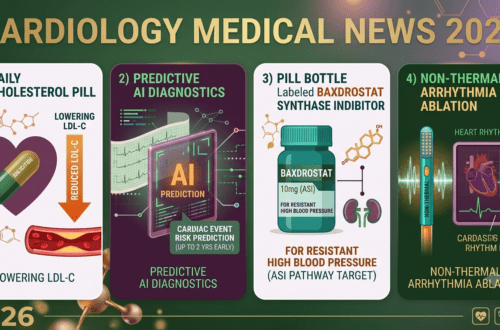
1. FDA Approves Daily Oral PCSK9 Inhibitor for High Cholesterol
High LDL cholesterol causes dangerous arterial blockages. Statins are the most common treatment. Yet many high-risk patients need stronger therapy.
In 2015, powerful PCSK9 inhibitors entered the market. They lowered cholesterol dramatically. However, they required bi-weekly or monthly injections. Many patients feared needles or missed doses.
That challenge is over. The FDA has approved Enlicitide (Lipfendra). It is the first daily oral PCSK9 inhibitor pill.
Key Clinical Findings:
- Massive Cholesterol Drop: Phase 3 trials showed striking results. Enlicitide lowered LDL cholesterol by 57% to 60%.
- Easy Daily Routine: Patients take one 20 mg pill each morning.
- Broader Access: It helps adults with genetic high cholesterol (HeFH). It also helps patients who cannot tolerate injections.
Doctors expect better patient compliance with a daily pill. This breakthrough will help millions reach target cholesterol levels.
2. AI Blood Test Predicts Heart Disease Risk 15 Years Early
Early detection saves lives. Detecting vessel damage early stops heart attacks before they happen.
A new study in Nature Communications highlights a breakthrough tool. Researchers developed CardiOmicScore. It is an AI system that predicts heart disease 15 years early.
How the AI Tool Works:
- Deep Protein Analysis: Standard cholesterol panels measure basic lipids. CardiOmicScore evaluates 2,920 blood proteins and 168 metabolites.
- Predicts 6 Major Conditions: The tool flags coronary disease, stroke, and heart failure. It also detects atrial fibrillation, arterial disease, and blood clots.
- A Real-Time Biological Snapshot: The test measures active blood markers. It reflects your real-time diet, stress, and inflammation.
Doctors can intervene much earlier. They can prescribe targeted diets and drugs before arteries narrow.
3. American Heart Association Spotlights CKM Syndrome
The American Heart Association (AHA) released its latest report. It places urgent focus on Cardiovascular-Kidney-Metabolic (CKM) Syndrome.
CKM syndrome links multiple chronic health issues together. It connects heart disease, kidney disease, type 2 diabetes, and obesity.
Critical Takeaways for U.S. Adults:
- High Prevalence: Nearly 90% of U.S. adults meet Stage 1 CKM criteria. High blood pressure and excess abdominal fat are top causes.
- Rising Risk in Younger Adults: Over 80% of young adults show early CKM warning signs. Rising obesity rates drive this trend.
- Power of Life’s Essential 8: Small lifestyle fixes make a big difference. Optimizing diet, sleep, and activity prevents up to 40% of cardiovascular deaths.
American healthcare is shifting. Doctors now treat the heart, kidneys, and metabolism together.
4. New Self-Administered Therapies Regulate Rapid Rhythms
Sudden fast heartbeats cause severe panic. They often lead to emergency room visits.
A new outpatient treatment is changing emergency care. The FDA evaluated Etripamil (Cardamyst). It is a fast-acting nasal spray for rapid heart rates. It targets acute symptomatic episodes of PSVT (paroxysmal supraventricular tachycardia).
Why This Matters:
- Treatment at Home: Patients previously needed hospital ER visits. Doctors used IV drugs or electrical shocks to slow the heart.
- Rapid Action: The nasal spray delivers medication fast. It absorbs through nasal tissue to restore normal rhythm in minutes.
- Fewer Hospital Visits: Clinical trials showed a sharp drop in ER visits. Patients managed sudden racing heartbeats safely at home.
5. GLP-1 Drugs Expand Cardiovascular Benefits
GLP-1 medications started as diabetes treatments. Later, they became famous for weight loss. Now, they are core cardiovascular drugs.
Drugs like semaglutide show massive heart benefits. Recent clinical trials confirm their expanded role in vascular care.
Key Heart Benefits Uncovered:
- Heart Failure Support: GLP-1s lower fluid retention and inflammation. They improve exercise capacity in heart failure patients.
- Direct Vessel Protection: These drugs do more than reduce weight. They lower blood pressure and protect blood vessel linings.
- Lower Death Rates: Clinical data shows a 20% risk reduction in heart attacks, strokes, and cardiac deaths.
Cardiologists now prescribe GLP-1s specifically for heart protection.
Summary: Major Cardiology Breakthroughs
| Medical Advancement | Category | Primary Benefit | Targeted Patient Group |
| Oral PCSK9 Inhibitor | Cholesterol Care | Cuts LDL cholesterol by ~60% in a daily pill | Patients with high LDL or statin issues |
| AI CardiOmicScore Test | Diagnostics | Predicts 6 cardiac risks 15 years early | Adults seeking early health screening |
| Etripamil Nasal Spray | Rhythm Care | Stops rapid heart rates at home quickly | Patients diagnosed with PSVT |
| CKM Care Guidelines | Prevention | Treats heart, kidney, and metabolic issues together | Adults with high blood pressure, diabetes, or obesity |
What These Updates Mean for Patients
These breakthroughs offer fresh options for patients. Consider taking these practical steps:
- Ask About New Lipid Therapies: Struggling with high LDL cholesterol? Ask your doctor about new daily oral options.
- Request Full CKM Screening: Do not check cholesterol alone. Ask for blood sugar, kidney, and blood pressure checks together.
- Explore Advanced Diagnostics: New AI blood tests are entering clinics. Ask your cardiologist if advanced biomarker profiling fits your care plan.
Frequently Asked Questions (FAQ)
What is the biggest heart news in 2026?
Major highlights include oral cholesterol pills, AI blood tests, and expanded GLP-1 heart benefits.
Is there a non-injectable PCSK9 inhibitor available?
Yes. The FDA approved Enlicitide. It is a daily oral pill that lowers bad cholesterol by nearly 60%.
How does AI predict heart attacks early?
AI tools analyze thousands of blood proteins at once. They spot tiny signs of vessel damage up to 15 years early.
For a visual breakdown of global trends in congenital heart care discussed in recent medical summits, watch the World Heart Report 2026 Findings. This report highlights international cardiology data and clinical advancements.