




When it comes to your health, your heart holds the master key. Yet, cardiovascular diseases remain the leading cause of death in the United States, claiming a life every 33 seconds. The reality of heart disease can feel incredibly overwhelming, especially if you or a loved one are navigating a new diagnosis or trying to decipher a family history of cardiac issues.
The good news is that heart disease is not an inevitable fate. By understanding how your heart functions, recognizing the early warning signs, and making intentional lifestyle shifts, you can dramatically lower your risk. This comprehensive guide breaks down everything you need to know about heart disease, written clearly and backed by the latest cardiological data.
What is Heart Disease?
While many people use the term “heart disease” as if it is a single condition, it is actually an umbrella term for a wide range of cardiovascular problems. The most common type in the United States is Coronary Artery Disease (CAD), which affects blood flow to the heart.
To understand heart disease, it helps to think of your cardiovascular system as a plumbing network. Your heart is the central pump, and your arteries are the pipes delivering oxygen-rich blood to your entire body. When those pipes become clogged, narrowed, or structurally damaged, your heart has to work dangerously hard to keep you alive.
5 Major Types of Heart Disease
Different parts of the heart can experience malfunctions. Understanding the specific type of heart disease is crucial for proper treatment and management.
1. Coronary Artery Disease (CAD)
CAD is the leading cause of heart attacks in the U.S. It occurs when cholesterol-rich deposits, called plaque, build up inside the coronary arteries. This process, known as atherosclerosis (hardening of the arteries), narrows the pathways and restricts blood flow to the heart muscle over time.
2. Arrhythmia
An arrhythmia is an irregular heartbeat. Your heart may beat too fast (tachycardia), too slow (bradycardia), or erratically. The most common chronic arrhythmia is Atrial Fibrillation (AFib), which causes the upper chambers of the heart to quiver instead of beating effectively, significantly increasing the risk of stroke.
3. Heart Failure
Despite its scary name, heart failure does not mean your heart has completely stopped beating. Instead, it means the heart muscle has become too weak or stiff to pump blood efficiently. This leaves your body’s tissues starved of oxygen and can cause fluid to back up into the lungs and limbs.
4. Heart Valve Disease
Your heart has four valves that act like one-way doors, keeping blood flowing in the correct direction. If a valve doesn’t open fully (stenosis) or fails to close tightly (regurgitation), blood can leak backward or become blocked, forcing the heart to pump with extra exertion.
5. Cardiomyopathy
This condition affects the heart muscle itself, causing it to become enlarged, abnormally thick, or rigid. As cardiomyopathy progresses, it weakens the heart, often leading to heart failure or arrhythmias.
Silent vs. Sudden: Recognizing the Symptoms
One of the most dangerous aspects of cardiovascular conditions is that they can be “silent,” showing zero symptoms until a major medical emergency occurs. However, your body often drops subtle clues beforehand.
Subtle Warning Signs to Discuss with a Doctor
- Unusual Fatigue: Feeling completely exhausted after performing basic tasks like buying groceries or climbing a flight of stairs.
- Shortness of Breath: Struggling to catch your breath during mild physical activity or while lying flat in bed.
- Dizziness or Lightheadedness: Feeling faint, which can indicate an irregular heartbeat or a drop in blood pressure.
- Swelling (Edema): Noticing unexplained swelling in your legs, ankles, or feet, often a sign that your heart isn’t pumping blood effectively.
Emergency Symptoms: When to Call 911 Immediately
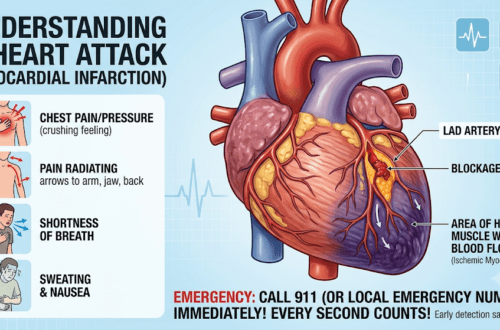
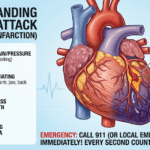
A heart attack is a medical emergency where every second counts. If you or someone else experiences the following symptoms, call 911 without hesitation:
- Chest Discomfort: Pressure, squeezing, fullness, or pain in the center of the chest that lasts more than a few minutes, or goes away and comes back.
- Upper Body Pain: Discomfort radiating to the jaw, neck, back, stomach, or one or both arms (left-arm pain is common, but right-arm pain happens too).
- Cold Sweats and Nausea: Suddenly breaking out into a cold sweat, accompanied by unexplained nausea or vomiting.
Important Note for Women: Women are less likely than men to experience classic, crushing chest pain during a heart attack. Instead, women frequently report atypical symptoms like severe shortness of breath, unexplained jaw or back pain, extreme nausea, and lightheadedness.
The Root Causes: Risk Factors You Can and Cannot Control
Cardiovascular risk is determined by a mix of genetic predispositions and daily choices. Doctors divide these into two distinct categories: modifiable and non-modifiable risk factors.
Risk Factors Beyond Your Control (Non-Modifiable)
- Age: The risk of heart disease increases naturally as you get older.
- Family History: If your parents or siblings developed heart disease early in life, your baseline risk is higher.
- Ethnicity: According to the Centers for Disease Control and Prevention (CDC), African Americans, Hispanics, and Indigenous Americans face disproportionately higher rates of heart disease due to systemic healthcare disparities and genetic factors.
Risk Factors You Can Control (Modifiable)
This is where you have the power to change your health trajectory. The primary drivers of heart disease that you can actively manage include:
| Risk Factor | Why It Matters | Target Goal |
|---|---|---|
| High Blood Pressure | Forces your heart to work harder, damaging artery walls over time. | Below 120/80 mmHg |
| High LDL Cholesterol | “Bad” cholesterol forms the plaque that clogs arteries. | Below 100 mg/dL (lower for high-risk individuals) |
| Type 2 Diabetes | High blood sugar damages blood vessels and heart nerves. | HbA1c below 5.7% |
| Physical Inactivity | Weakens the heart muscle and contributes to weight gain. | 150+ minutes of moderate exercise per week |
| Smoking / Vaping | Nicotine constricts blood vessels; carbon monoxide damages their lining. | Complete cessation |
A Blueprint for Prevention: Evidence-Based Lifestyle Changes
If you want to protect your cardiovascular system, implementing a few key daily habits can reduce your overall risk of heart disease by up to 80%.
1. Adopt a Heart-Healthy Eating Pattern
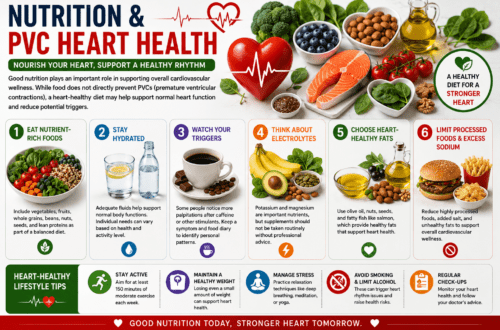
The food you eat acts as information for your cells. The Mediterranean Diet and the DASH (Dietary Approaches to Stop Hypertension) Diet are widely recognized by cardiologists as the gold standards for heart health.
- Focus on: Whole grains, leafy greens, berries, legumes, nuts, and healthy fats like extra virgin olive oil. Incorporate fatty fish (like salmon or mackerel) twice a week for essential omega-3 fatty acids.
- Minimize: Ultra-processed foods, trans fats, excess sodium (which drives up blood pressure), and added sugars found in soda and pastries.
2. Move More, Sit Less
Your heart is a muscle, and just like your biceps, it gets stronger with exercise. The American Heart Association (AHA) recommends aiming for at least 150 minutes of moderate-intensity aerobic exercise each week. This can be broken down into 30 minutes of brisk walking, cycling, or swimming, five days a week. Pair this with two days of muscle-strengthening activities.
3. Prioritize Restorative Sleep and Manage Stress
Chronic stress floods your body with cortisol and adrenaline, which can elevate your heart rate and blood pressure. Additionally, sleeping fewer than seven hours per night is linked to an increased risk of calcium buildup in the arteries. Practice stress-reduction techniques such as mindfulness, deep-breathing exercises, or spending time outdoors, and aim for 7 to 9 hours of quality sleep each night.
Medical Diagnosis and Modern Treatments
If you are experiencing symptoms or have multiple risk factors, a cardiologist can use several diagnostic tools to assess your heart health:
- Electrocardiogram (ECG/EKG): Records the electrical signals of your heart to check for rhythm issues.
- Echocardiogram: An ultrasound of the heart that provides images of its structure, valves, and pumping capability.
- Stress Test: Monitors how your heart performs under physical exertion (usually on a treadmill).
- Coronary CT Angiogram: A non-invasive imaging scan that visualizes plaque buildup in your arteries.
If heart disease is diagnosed, treatment paths range from daily prescription medications (like statins to lower cholesterol or beta-blockers to control blood pressure) to minimally invasive procedures like angioplasty and stenting, or advanced surgeries like coronary artery bypass grafting (CABG).
Summary: Small Steps Save Lives
Protecting your heart doesn’t require a complete life overhaul overnight. Start with one small, sustainable change today: substitute a sugary drink with water, take a 10-minute walk after lunch, or schedule an annual checkup with your doctor to get your cholesterol and blood pressure checked. Knowing your numbers and listening to your body are the most powerful forms of self-care available.
SEO Metadata & Optimization Assets
SEO Optimized Title:
Heart Disease Guide: Types, Warning Signs, and Prevention Strategies
SEO Meta Description:
Discover the major types of heart disease, critical warning signs you shouldn’t ignore, and evidence-based lifestyle changes to protect your cardiovascular health.
High-Performing Search Tags & Keywords:
heart disease symptoms, coronary artery disease, early signs of heart attack, heart healthy diet, preventing heart disease, high blood pressure targets, heart failure vs heart attack, cardiovascular health US