




A diagnosis of congestive heart failure (CHF) can sound overwhelming, but understanding what it actually means is the first step toward regaining control. Despite its frightening name, heart failure does not mean your heart has stopped working entirely. Instead, it means the heart muscle isn’t pumping blood as efficiently as it should to meet your body’s demands for oxygen and nutrients.
Today, advances in cardiovascular medicine have transformed CHF from a terminal prognosis into a manageable chronic condition. With a tailored treatment strategy that combines cutting-edge medications, targeted lifestyle adjustments, and advanced medical therapies, millions of Americans live active, fulfilling lives after a CHF diagnosis.
Understanding Congestive Heart Failure and its Impact on the Body. Source: blueringmedia / Getty Images
Understanding Congestive Heart Failure
To understand how treatments work, it helps to know what happens inside the body during heart failure. When the heart’s lower chambers (the ventricles) become too stiff or too weak to pump effectively:
- Blood backs up: Fluid begins to collect in the lungs, abdomen, legs, and ankles, causing shortness of breath and swelling (edema).
- Reduced circulation: Less oxygen-rich blood reaches vital organs, leading to persistent fatigue, dizziness, and decreased stamina.
- Compensatory mechanisms kick in: The body releases stress hormones to speed up the heart rate and narrow blood vessels, trying to force more blood through. While this helps temporarily, it strains the heart muscle over time.
Cardiologists generally categorize CHF into two distinct types based on how well the left ventricle pumps blood—known as the ejection fraction (EF):
- Heart Failure with Reduced Ejection Fraction (HFrEF): The heart muscle is weakened and cannot squeeze blood out with sufficient force (EF ≤ 40%).
- Heart Failure with Preserved Ejection Fraction (HFpEF): The heart muscle is stiff and cannot relax properly between beats to fill with enough blood (EF ≥ 50%).
1. Guideline-Directed Medical Therapy (GDMT)
Medication forms the cornerstone of congestive heart failure management. In modern cardiology, treatment relies on Guideline-Directed Medical Therapy (GDMT)—a combination of medications that target different pathways to protect the heart muscle, reduce symptoms, and extend life expectancy.
The Four Pillars of HFrEF Treatment
For patients with reduced ejection fraction, American Heart Association (AHA) and American College of Cardiology (ACC) guidelines recommend four foundational classes of drugs:
1. ARNI or ACE Inhibitors / ARBs
- Angiotensin Receptor-Neprilysin Inhibitors (ARNIs): Sacubitril/valsartan (Entresto) is widely considered the gold standard. It dilates blood vessels, lowers blood pressure, and promotes fluid excretion.
- ACE Inhibitors & ARBs: If an ARNI isn’t tolerated or suitable, drugs like lisinopril or losartan serve as effective alternatives to block strain-inducing stress hormones.
2. Beta-Blockers
- Examples: Carvedilol, metoprolol succinate, bisoprolol.
- Mechanism: Slows down the heart rate and protects the heart muscle from chronic adrenaline exposure. This allows the heart to beat more efficiently and prevents long-term remodeling (enlargement) of the cardiac tissue.
3. SGLT2 Inhibitors
- Examples: Dapagliflozin (Farxiga), empagliflozin (Jardiance).
- Mechanism: Originally developed for type 2 diabetes, SGLT2 inhibitors are now a major breakthrough in heart failure treatment. They reduce hospitalizations and cardiovascular risk for both HFrEF and HFpEF patients regardless of diabetes status.
4. Mineralocorticoid Receptor Antagonists (MRAs)
- Examples: Spironolactone, eplerenone.
- Mechanism: Blocks aldosterone—a hormone that retains sodium and water and accelerates scarring (fibrosis) in heart tissue.
Symptom Management: Diuretics
When fluid builds up in the lungs or lower extremities, diuretics (water pills) like furosemide (Lasix) or bumetanide help the kidneys flush out excess sodium and water. While diuretics don’t slow disease progression on their own, they provide rapid relief from swelling and shortness of breath.
2. Lifestyle Modifications & Daily Self-Care
Medication works best when paired with daily habits that minimize stress on your cardiovascular system.
       ┌─────────────────────────────────────────────────┐
       │             DAILY CHF SELF-CARE                 │
       └────────────────────────┬────────────────────────┘
                                │
        ┌───────────────────────┼───────────────────────┐
        ▼                       ▼                       ▼
 🧂 Sodium & Fluid      ⚖️ Weight Tracking      🏃 Exercise & Rest
  < 2,000 mg/day sodium   Weigh daily in morning  Moderate walking,
  Manage liquid intake    Report >2-3 lb gain     proper sleep schedule
Managing Sodium and Fluid Intake
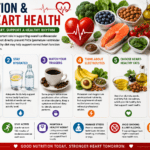
- Limit Sodium: The American Heart Association recommends staying under 2,000 mg of sodium per day (roughly one teaspoon of salt). High salt intake causes the body to hold onto excess fluid, spiking blood pressure and straining the heart.
- Monitor Fluid Intake: Your care team may suggest limiting fluids to 1.5–2 liters (roughly 6–8 cups) daily, especially during acute flare-ups.
The Daily Weight Check
Weighing yourself every morning after using the bathroom and before eating is one of the simplest, most effective ways to spot fluid buildup early.
- Red Flag: A sudden weight gain of 2 to 3 pounds in 24 hours or 5 pounds in a week usually means fluid accumulation—not fat. Notifying your cardiologist early allows them to adjust diuretic dosages before emergency hospitalization becomes necessary.
Physical Activity and Exercise Rehabilitation
While rest is crucial during acute flare-ups, chronic heart failure patients benefit greatly from structured physical activity. Cardiac rehabilitation programs offer medically supervised exercise routines, helping rebuild stamina, improve vascular health, and boost overall energy levels safely.
Tobacco, Alcohol, and Sleep
- Quit Smoking: Nicotine accelerates vascular damage, raises blood pressure, and reduces oxygen delivery to the heart.
- Limit or Avoid Alcohol: Excessive alcohol intake weakens cardiac muscle cells (alcoholic cardiomyopathy).
- Treat Sleep Apnea: Obstructive sleep apnea is widespread among heart failure patients and imposes heavy overnight stress on the heart. Using a CPAP machine significantly lowers cardiovascular risk.
3. Advanced Device Therapies & Surgical Interventions
When medication and lifestyle changes are not sufficient alone, medical devices and surgical techniques offer powerful options to stabilize heart function and restore rhythm.
| Intervention | Primary Purpose | How It Works |
|---|---|---|
| ICD (Implantable Cardioverter-Defibrillator) | Prevents sudden cardiac death | Monitors heart rhythms continuously and delivers an electrical shock if dangerous ventricular arrhythmias occur. |
| CRT (Cardiac Resynchronization Therapy) | Improves pumping coordination | Uses a biventricular pacemaker to stimulate both ventricles simultaneously, improving efficiency in hearts with conduction delays. |
| Coronary Angioplasty / Stenting | Restores blood flow | Clears blocked coronary arteries caused by underlying ischemic heart disease. |
| Heart Valve Repair / Replacement | Fixes mechanical heart defects | Corrects leaking (regurgitation) or narrowed (stenosis) valves to reduce heart workload. |
| LVAD (Left Ventricular Assist Device) | Mechanical pump support | Helps the left ventricle pump blood throughout the body. Used as a bridge to transplant or long-term therapy. |
| Heart Transplantation | Definitive treatment for end-stage CHF | Replaces a failing heart with a healthy donor heart when all other options are exhausted. |
4. Addressing Co-occurring Conditions (Arrhythmias & PVCs)
Heart failure rarely exists in isolation. Managing underlying co-morbidities—such as high blood pressure, coronary artery disease, diabetes, and abnormal heart rhythms—is essential.
Premature Ventricular Contractions (PVCs) and Heart Failure
At PVC Heart, we pay close attention to irregular heartbeats, particularly Premature Ventricular Contractions (PVCs). PVCs are extra, abnormal heartbeats that originate in the lower ventricles.
While occasional PVCs are common and harmless in healthy individuals, a high PVC burden (where PVCs make up more than 10–15% of all daily heartbeats) can cause or worsen heart failure—a condition known as PVC-induced cardiomyopathy.
- Treatment Options:
- Beta-Blockers or Antiarrhythmics: First-line medications to suppress extra beats.
- Catheter Ablation: A minimally invasive procedure that uses heat or cold energy to eliminate the precise area of heart tissue generating the abnormal signals. Successfully ablating frequent PVCs often leads to significant recovery of ejection fraction.
5. Emerging Therapies & The Future of CHF Care
The landscape of heart failure treatment continues to evolve rapidly. Researchers are actively pursuing new frontiers to reverse heart damage rather than merely slow its progression:
- Remote Patient Monitoring (RPM): Small wearable devices and implantable sensors (like the CardioMEMS pulmonary artery sensor) measure pressure in the lungs remotely, alerting cardiologists to fluid buildup days before physical symptoms appear.
- Novel Biological Therapies: Gene therapy and stem cell research are exploring ways to repair scarred myocardial tissue and stimulate healthy muscle regeneration.
- Targeted HFpEF Treatments: Historically, options for preserved ejection fraction were limited. SGLT2 inhibitors and newer mineralocorticoid agents are revolutionizing how HFpEF is managed.
Taking Action: Partnering with Your Care Team
Managing congestive heart failure is a partnership between you, your cardiologist, dietitians, and nurses. By actively tracking daily symptoms, sticking to prescribed medications, maintaining a low-sodium diet, and staying physically active within recommended limits, you can protect your heart health and preserve your quality of life.
When to Seek Immediate Medical Attention:
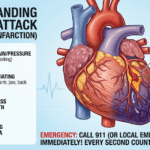
Contact your care team or emergency services immediately if you experience severe shortness of breath at rest, chest pain, fainting, persistent coughing with pink or frothy sputum, or sudden rapid swelling in your legs and abdomen.
Explore related cardiovascular topics on PVC Heart:
Learn more about PVC-induced cardiomyopathy
Explore low-sodium meal strategies for heart health


