






Cardiovascular disease remains the leading cause of death across the United States. However, the field of cardiology is experiencing a massive paradigm shift. From newly FDA-approved daily oral therapies to artificial intelligence systems capable of predicting arterial risk years in advance, medical science is moving from reactive treatment to active prevention.
For patients, families, and health-conscious readers, staying current on these clinical updates opens doors to better options, improved outcomes, and personalized care.
Below is your complete roundup of the most critical medical breakthroughs, clinical trials, and FDA decisions reshaping cardiovascular health today.
Medical Disclaimer: The content on this website is for educational and news reporting purposes only and is not intended as personal medical advice, diagnosis, or treatment. Always consult a board-certified cardiologist or qualified healthcare professional regarding any medical condition, symptom, or medication regimen. Never disregard professional medical advice or delay seeking it because of something you have read on this site. If you suspect a medical emergency, call 911 immediately.
1. FDA Approves Enlicitide: First Daily Oral PCSK9 Pill for High Cholesterol
Managing stubborn low-density lipoprotein cholesterol (LDL-C) has long relied on daily statins or injected biologic therapies. Injected PCSK9 inhibitors—such as evolocumab and alirocumab—have proven remarkably effective. However, many patients hesitate to use regular self-injections.
That treatment dynamic shifted with the official FDA approval of Enlicitide (Lipfendra), the world’s first once-daily oral PCSK9 inhibitor pill.
Key Clinical Trial Findings:
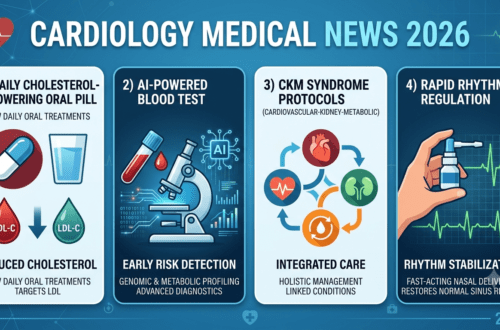
- Drastic LDL Reduction: Phase 3 trials (CORALreef Lipids and CORALreef AddOn) revealed that enlicitide reduced LDL cholesterol by 56% to 59% compared to placebo when added to max-tolerated statin therapy.
- Convenient Oral Dosing: Instead of bi-weekly or monthly injections, patients take one oral tablet daily.
- Target Population: Approved for adults with primary hypercholesterolemia, including those with heterozygous familial hypercholesterolemia (HeFH)—an inherited high-cholesterol disorder.
Preventive cardiologists anticipate that removing the needle barrier will significantly boost long-term medication adherence, helping millions achieve target lipid levels safely.
2. Artificial Intelligence Predicts Out-of-Hospital Cardiac Arrest and Disease Risk Early
Early detection is the ultimate goal of modern preventive cardiology. Recent clinical studies published in leading journals highlight AI-driven diagnostic tools capable of identifying cardiovascular risks long before clinical symptoms appear.
How AI Diagnostics Are Transforming Care:
- Multi-Source Data Integration: New AI systems combine routine 12-lead ECGs with Electronic Health Record (EHR) data to evaluate patient vulnerability.
- Out-of-Hospital Cardiac Arrest Flagging: In real-world cohorts, AI algorithms successfully flagged two-thirds of high-risk patients who later experienced out-of-hospital cardiac events up to two years in advance.
- Dynamic Biological Profiling: By analyzing subtle patterns in clinical data, biological markers, and electrical heart traces, AI provides a comprehensive picture of immediate and long-term vascular risk.
By identifying silent heart dysfunction early, clinicians can introduce targeted lifestyle interventions and preventive therapies prior to irreversible cardiac damage.
3. FDA Approves Baxdrostat: First Aldosterone Synthase Inhibitor for Resistant Hypertension
Hypertension (high blood pressure) is the single largest modifiable risk factor for heart attacks and strokes. Yet, millions of patients suffer from “resistant hypertension”—high blood pressure that fails to respond to standard antihypertensive drug classes.
A major regulatory breakthrough came with the FDA approval of Baxdrostat (Baxfendy), a first-in-class, highly selective aldosterone synthase inhibitor (ASI).
Clinical Highlights:
- Targeted Hormone Suppression: Baxdrostat directly targets the aldosterone pathway, suppressing the enzyme responsible for aldosterone synthesis to prevent excess fluid retention and arterial pressure buildup.
- First-in-Class Option: This marks the first approved drug in the aldosterone synthase inhibitor class specifically designed for adults living with uncontrolled blood pressure.
- Significant Pressure Drops: Clinical trials proved substantial, sustained reductions in blood pressure among patients whose hypertension remained uncontrolled on multiple prior medications.
4. Pulsed-Field Ablation (PFA) Reshapes Electrophysiology & Arrhythmia Treatment
For patients suffering from complex heart rhythm disorders like atrial fibrillation and ventricular tachycardia, ablation procedures offer a path toward a normal heart rhythm. Electrophysiology has entered a new era with the rapid adoption of Pulsed-Field Ablation (PFA).
Why This Breakthrough Matters:
- Non-Thermal Precision: Traditional ablation uses extreme heat (radiofrequency) or cold (cryoablation) to scar cardiac tissue, which carries risk to surrounding structures. PFA uses electrical fields that selectively target heart cells while sparing nearby nerves and esophagus tissues.
- Exceptional Safety Profile: Real-world registries of thousands of PFA procedures report significantly lower major complication rates (~1%) compared to thermal methods.
- Expanded Applications: Clinical research is actively expanding PFA technology from atrial arrhythmias into scar-related ventricular tachycardia, delivering high freedom from recurrent arrhythmias.
5. Modern Stents Match Bypass Surgery in Long-Term Survival Outcomes
A major multinational study led by Stanford Medicine researchers has delivered crucial data for patients facing severe coronary artery disease decision-making.
Key Trial Takeaways:
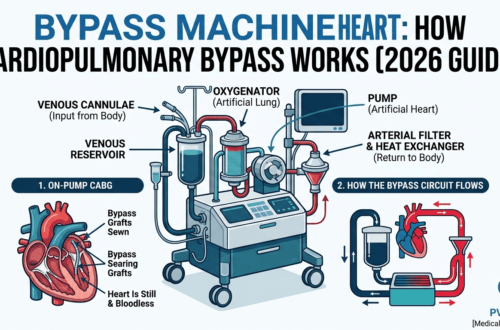
- Percutaneous Coronary Intervention (PCI) vs. CABG: The study evaluated long-term outcomes for patients receiving modern drug-eluting stents compared to those undergoing traditional coronary artery bypass graft (CABG) surgery.
- Equivalent Long-Term Protection: Investigators found that long-term risks of death and stroke were remarkably similar between modern stenting and bypass surgery.
- Personalized Care Decisions: These findings empower patients and care teams to select less invasive catheter-based interventions without sacrificing long-term survival outcomes.
6. SGLT2 Inhibitors Solidify Role as In-Hospital Standard for Acute Heart Failure
Sodium-glucose cotransporter-2 (SGLT2) inhibitors—originally developed for diabetes—are now foundational therapies across the spectrum of heart failure management.
Clinical Impact:
- Immediate Hospital-Initiated Therapy: Emerging clinical trial data supports initiating SGLT2 inhibitors immediately during acute heart failure hospitalizations rather than waiting for outpatient follow-up.
- Reduced Re-Hospitalization: Early initiation rapidly stabilizes volume overload, protects kidney function, and significantly reduces the risk of 30-day heart failure readmissions.
Summary Comparison: Major Cardiology Advancements
| Medical Innovation | Category | Primary Clinical Benefit | Target Patient Group |
| Oral PCSK9 Inhibitor (Enlicitide) | Lipid Lowering | Cuts LDL-C by ~56–59% in a convenient daily pill | Patients with hypercholesterolemia or HeFH |
| Aldosterone Inhibitor (Baxdrostat) | Blood Pressure | First-in-class target for treatment-resistant hypertension | Adults with uncontrolled high blood pressure |
| AI ECG Risk Detection | AI Diagnostics | Flags out-of-hospital cardiac arrest risk 2 years early | At-risk patients undergoing routine ECGs |
| Pulsed-Field Ablation (PFA) | Rhythm Care | Non-thermal targeted arrhythmia ablation with ~1% major complications | Patients with atrial or ventricular arrhythmias |
| Modern Stents vs. CABG | Interventional Care | Matches surgical bypass in preventing long-term death and stroke | Patients with severe coronary artery disease |
Actionable Takeaways for Patients
If you or a family member are navigating cardiovascular health management, these advancements provide concrete topics to explore with your medical team:
- Review Your Lipid Targets: If your LDL cholesterol remains elevated despite statin use, ask your physician whether new oral PCSK9 inhibitor options are right for you.
- Discuss Blood Pressure Options: If multiple blood pressure medications have failed to control your numbers, ask your cardiologist about novel pathway therapies like aldosterone synthase inhibitors.
- Explore Minimally Invasive Procedures: If you are evaluated for arrhythmia or coronary disease, discuss non-thermal ablation options or modern stenting techniques with your electrophysiologist or interventional cardiologist.
Frequently Asked Questions (FAQ)
What is the most significant cardiology drug approval recently?
The FDA approval of Enlicitide (Lipfendra)—the first once-daily oral PCSK9 inhibitor pill—marks a major milestone in cholesterol management, delivering injectable-level LDL reductions in pill form.
How is AI being used in heart care today?
AI tools analyze routine 12-lead ECGs and medical history to identify invisible risk factors, successfully predicting severe events like out-of-hospital cardiac arrest up to two years in advance.
What is Pulsed-Field Ablation and why is it safer?
Pulsed-field ablation uses targeted electrical pulses rather than extreme heat or cold to eliminate abnormal heart rhythm tissue. This dramatically reduces accidental damage to surrounding tissues like the esophagus and nerves.