




When you or a loved one experiences sudden chest discomfort, a wave of panic is entirely natural. In that moment of distress, your mind scrambles for the fastest route to medical help. For millions of Americans, the neighborhood urgent care clinic has become the go-to destination for everything from strep throat to sprained ankles. It is convenient, close by, and usually has a shorter wait time than a hospital emergency room (ER).
However, if you are wondering, “Can urgent care diagnose a heart attack?” the short answer is: technically yes in some cases, but you should never rely on them to do so.
While an urgent care center might be able to run a basic test that flags a massive cardiac event, they lack the sophisticated diagnostic tools, the specialized lab equipment, and the life-saving treatment capabilities needed to manage a heart attack. Choosing urgent care over an emergency room during a heart attack can result in critical, life-threatening delays.
This comprehensive guide breaks down exactly what urgent care clinics can and cannot do when it comes to cardiac emergencies, how they evaluate chest pain, and how to make the right choice when every second counts.
Why Urgent Care is Not Equipped for Heart Attacks
Urgent care clinics are designed to treat non-life-threatening illnesses and injuries. They bridge the gap between your primary care physician and the emergency room. Think of them as excellent resources for stitches, minor fractures, sinus infections, or mild asthma flare-ups.
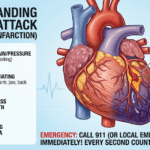
When it comes to a heart attack (myocardial infarction), the clinical reality changes entirely. A heart attack occurs when the blood flow to a part of the heart muscle is severely reduced or blocked completely, usually by a blood clot. Without oxygen-rich blood, the heart muscle begins to die within minutes.
To safely diagnose and manage this, a facility needs a combination of immediate diagnostic testing, continuous monitoring, and instant access to a cardiac catheterization lab. Urgent care facilities simply are not built for this level of high-stakes, hyper-fast medicine.
The Core Diagnostic Tools: What Urgent Care Has vs. What It Lacks
To understand why urgent care is the wrong choice for a suspected heart attack, we have to look at the diagnostic tools required to definitively confirm or rule out a cardiac event.
1. The Electrocardiogram (ECG or EKG)
- What urgent care has: Most modern urgent care clinics in the U.S. do have an EKG machine on-site.
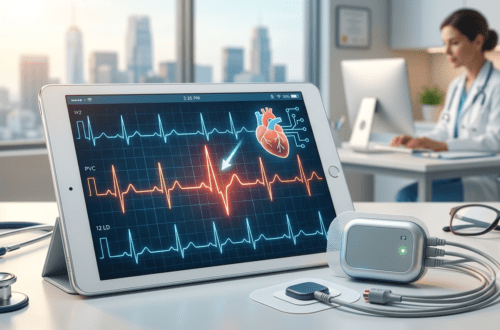
- The limitation: An EKG measures the electrical activity of your heart. It can quickly identify a major type of heart attack known as a STEMI (ST-Elevation Myocardial Infarction), where a main coronary artery is completely blocked. However, an EKG can come back completely normal or non-specific even if a patient is actively experiencing a NSTEMI (Non-ST-Elevation Myocardial Infarction), which is a partial blockage that is just as dangerous. A normal EKG does not mean you are cleared of a heart attack. Journal Of Urgent Care Medicine
2. Blood Tests for Cardiac Biomarkers (Troponin)
- What urgent care lacks: This is the most crucial missing link. When heart muscle cells are damaged during a heart attack, they release a protein called troponin into the bloodstream.
- The limitation: Standard emergency rooms use high-sensitivity troponin blood tests that yield accurate results within an hour, often repeating the test a few hours later to watch for a rising trend. The vast majority of urgent care clinics do not have an on-site, rapid-turnaround laboratory capable of running these quantitative troponin tests. If they draw your blood, they usually have to send it out to an external lab, a process that takes hours or days—time a heart attack patient does not have.
3. Continuous Advanced Triage and Monitoring
- What urgent care lacks: If you sit in an urgent care waiting room, you are generally not hooked up to a continuous cardiac monitor. If your heart rhythm suddenly deteriorates into a fatal arrhythmia (like ventricular fibrillation), an urgent care clinic will have a crash cart with a defibrillator, but they do not have an intensive care infrastructure or an on-site team of cardiologists to stabilize you long-term.
The Critical Danger of Time: “Time is Muscle”
In cardiology, there is a universally accepted maxim: “Time is muscle.” Every single minute that passes without blood flow to the heart muscle increases the amount of irreversible tissue damage and raises the risk of sudden cardiac arrest or permanent heart failure.
[Onset of Symptoms]
       │
       ▼
[Urgent Care Arrival] ──► (Wait Time + Initial EKG)
       │
       ▼ (If a heart issue is suspected)
[Call 911 for Transfer] ──► (Ambulance Response & Transit Time)
       │
       ▼
[Emergency Room Arrival] ──► (Re-evaluation & Catheterization Lab)
If you go to an urgent care clinic with heart attack symptoms, the clinical staff will recognize the emergency, call 911, and have an ambulance transfer you to the nearest hospital ER. However, this detour can easily add 30 to 60 minutes (or more) to your total transit time.
Instead of being treated immediately at a hospital equipped with a cardiac catheterization lab—where interventional cardiologists can mechanically open your blocked artery via angioplasty or stenting—you spend precious, life-saving minutes sitting in an urgent care office waiting for an ambulance to arrive.
Recognizing the Real Signs of a Heart Attack
Part of the reason people choose urgent care is that heart attack symptoms can be confusing and mimic less serious conditions, like acid reflux, a pulled muscle, or a severe panic attack. However, it is vital to recognize the classic and atypical signs of a heart attack so you know when to bypass urgent care entirely.
Classic Symptoms (Common in Men and Women):
- Chest discomfort: Pressure, squeezing, fullness, or a heavy, crushing pain in the center or left side of the chest that lasts more than a few minutes or goes away and comes back.
- Radiating pain: Discomfort or pain that spreads to the shoulders, neck, jaw, back, or down one or both arms (most commonly the left arm).
- Shortness of breath: Feeling like you cannot catch your breath, which can happen with or without chest discomfort.
- Unexplained sweating: Sudden break out in a cold sweat.
Atypical Symptoms (More Common in Women, Older Adults, and Diabetics):
- Nausea or vomiting
- Lightheadedness, dizziness, or fainting
- Unusual or extreme fatigue that comes on without an obvious reason
- Indigestion or epigastric pain that feels like severe heartburn
⚠️ Critical Warning: If you experience any combination of these symptoms, do not attempt to drive yourself to an urgent care clinic, and do not have a loved one drive you to the ER. Call 911 immediately.
Emergency Medical Services (EMS) personnel are trained to begin life-saving treatment the moment they arrive at your home, and they can transmit your EKG directly to the hospital while en route, ensuring the cardiac team is waiting for you at the door.
When is it Appropriate to Go to Urgent Care for Chest Pain?
Chest pain is not always a heart attack. There are many benign or manageable reasons for thoracic discomfort. If your chest pain falls strictly into the following categories, an urgent care visit may be appropriate:
Cleveland Clinic+ 1
- Musculoskeletal pain: If the chest wall is tender to the touch, or if the pain changes sharply when you twist your torso, lift your arms, or take a deep breath, it is more likely a strained muscle or costochondritis (inflammation of the rib cartilage).
- Mild acid reflux: If the discomfort is clearly a burning sensation that travels up from your stomach after eating a heavy, spicy meal, and decreases when you take an antacid.
- Respiratory symptoms accompanied by cough: If your chest discomfort feels like a raw ache brought on by a persistent cough, fever, and congestion, it may be bronchitis or a mild respiratory infection.
The Golden Rule: If you are unsure whether your chest pain is muscular, gastrointestinal, or cardiac, always err on the side of caution and treat it as a cardiac emergency. Medical professionals would much rather discharge you from the emergency room with a diagnosis of severe heartburn than have you stay at home or go to an urgent care clinic with an evolving heart attack.
Urgent Care vs. Emergency Room: A Quick Reference
To help you make quick decisions under pressure, keep this straightforward comparison in mind:
| Feature / Capability | Urgent Care Clinic | Emergency Room (ER) |
|---|---|---|
| Primary Focus | Minor injuries, non-life-threatening illnesses | Life-or-limb emergencies, severe trauma |
| EKG / ECG Testing | Available at most locations | Available 24/7 |
| On-Site Troponin Lab Test | Rarely available (usually sent out) | Available 24/7 with rapid turnaround |
| Cardiac Catheterization Lab | Never available | Available at major hospitals / trauma centers |
| Advanced Continuous Monitoring | Limited | Fully equipped intensive monitoring |
| What to do for chest pain? | Bypass completely if cardiac origin is suspected | Go immediately (Call 911) |
Conclusion: Protect Your Heart with the Right Choice
While an urgent care physician or nurse practitioner might be able to spot an obvious heart attack on an EKG trace, an urgent care facility is fundamentally the wrong link in the chain of survival for a cardiac emergency. They cannot perform the blood work necessary to rule it out, and they do not have the specialized tools or medications to stop a heart attack in its tracks.
If you, a family member, or a coworker displays the warning signs of a heart attack, do not look up the hours of the local urgent care. Do not wait to see if the pain subsides. Take immediate action, bypass the clinic, and call 911 to get an emergency response team on the way. Your life depends on those crucial first minutes.


![alt="8K hyper-realistic photograph inside a modern US electrophysiology clinic. A compassionate female cardiologist with PVC HEART branding on her lab coat points to a high-resolution monitor displaying an ECG tracing with an isolated wide QRS complex and compensatory pause. An attentive patient watches while holding a matching printed rhythm reference sheet. Soft ambient clinic lighting, medical precision, [MEDICALLY REVIEWED] trust seal visible."](https://pvcheart.com/wp-content/uploads/2026/07/watermarked_img_8726221352871066765-500x330.png)