






In today’s fast-paced world, maintaining a vibrant, healthy lifestyle can often feel like an overwhelming challenge. Between demanding work schedules, family commitments, and the constant digital noise, prioritizing wellness sometimes falls to the bottom of the to-do list. However, achieving optimal wellness does not require a radical, overnight transformation. Instead, long-term vitality is built on foundational, sustainable choices.
By integrating simple daily healthy living habits into your routine, you can significantly protect your cardiovascular system, boost your immune function, and elevate your mental clarity. For readers of PVC Heart, focusing on a strong cardio-centric foundation ensures that your heart remains resilient against the stresses of modern life.
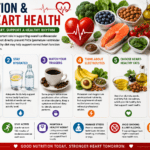
The foundational elements of a balanced, healthy lifestyle.. Source: Vecteezy
1. Fueling Your Body with Heart-Healthy Nutrition
Nutrition is the literal cornerstone of systemic longevity. The typical modern American diet is frequently high in ultra-processed foods, added sugars, and unhealthy saturated fats, creating chronic inflammation and placing a heavy burden on our blood vessels. Shifting toward a whole-foods, plant-forward eating pattern can radically transform your internal biochemistry.
The Power of the Mediterranean Approach
Medical research consistently demonstrates that a Mediterranean-style diet reduces the risk of major cardiovascular events by nearly 30 percent. This approach focuses primarily on:
- Healthy Fats: Replacing butter and margarine with extra virgin olive oil and avocados provides abundant monounsaturated fats that lower LDL (bad) cholesterol.
- Leafy Greens: Kale, spinach, and Swiss chard are loaded with dietary nitrates, which your body converts into nitric oxide. This compound naturally relaxes blood vessels, improves arterial flexibility, and supports optimal blood pressure levels.
- Omega-3 Fatty Acids: Incorporating wild-caught salmon, mackerel, or sardines twice a week provides vital EPA and DHA fatty acids, which stabilize heart rhythms and reduce systemic inflammation.
Smart Sodium Management
Excessive sodium intake is a primary driver of high blood pressure (hypertension) in the United States. The American Heart Association recommends an ideal limit of no more than 1,500 milligrams of sodium per day for most adults. To achieve this without sacrificing flavor, rely heavily on fresh herbs, garlic, citrus juices, and spices like turmeric and cumin. Minimizing your reliance on pre-packaged boxes and canned soups will instantly slash your daily sodium load.
2. Strategic Movement: Activating Cardiovascular Resilience
Your heart is a muscular organ; like any muscle, it requires consistent physical conditioning to function efficiently. Regular physical activity increases your heart’s stroke volume, allowing it to pump more blood with less effort, which directly reduces the wear and tear on your arteries.
Target Workout Routine for Optimal Heart Health:
├── Moderate Cardio: 150 minutes per week (e.g., brisk walking, cycling)
│   └── Breakdown: 30 minutes a day, 5 days a week
├── OR Vigorous Cardio: 75 minutes per week (e.g., running, swimming laps)
└── Plus Resistance Training: 2 days per week (e.g., bodyweight exercises, lifting weights)
Meeting the Baseline Goals
To maintain robust health, federal guidelines recommend that adults aim for at least 150 minutes of moderate-intensity aerobic exercise or 75 minutes of vigorous exercise every week. If you are starting fresh, think of this as a simple 30-minute brisk walk five days a week.
Incorporating Functional Fitness
Beyond structured workouts, reducing your total sedentary time is equally vital. Prolonged sitting causes metabolic changes that can negatively affect blood sugar and vascular health. Consider utilizing a standing desk, taking a short five-minute walking break for every hour spent working, or opting for the stairs instead of the elevator. These small, incremental movements add up significantly over the course of a year.
3. Restorative Sleep: The Nightly Cardiac Repair Window
Sleep should never be viewed as a luxury; it is a critical biological necessity. During the deep stages of non-REM sleep, your heart rate slows down, blood pressure drops, and your body enters a profound state of cellular repair. Chronic sleep deprivation deprives your system of this vital recovery window, triggering prolonged elevations in cortisol and adrenaline.
Health Insight: Adults who consistently sleep fewer than six hours per night face a significantly higher risk of developing hypertension, type 2 diabetes, and obesity. Aim for a consistent window of seven to nine hours of quality rest every night.
Building an Ideal Sleep Sanctuary
To optimize your sleep architecture, implement a strict digital curfew. The blue light emitted by smartphones, tablets, and televisions actively suppresses the natural production of melatonin, the hormone responsible for regulating your sleep-wake cycles. Turn off all digital screens at least 60 minutes before climbing into bed. Keep your bedroom dark, quiet, and cool—ideally between 65°F and 68°F—to facilitate a smooth entry into deep, restorative sleep cycles.
4. Stress Mitigation and Neurological Harmony
Chronic psychological stress acts as a silent disruptor within the cardiovascular system. When your mind perceives a continuous threat—whether from work pressure or financial anxiety—your sympathetic nervous system remains chronically activated. This persistent “fight-or-flight” state elevates your heart rate, constricts blood vessels, and promotes arterial inflammation.
       [ Chronic Psychological Stress ]
                     │
                     ▼
    [ Sympathetic Nervous System Activation ]
                     │
                     ▼
  [ Elevated Heart Rate & Constricted Vessels ]
                     │
                     ▼
       [ Increased Vascular Damage ]
Mindfulness and Breathwork Practices
Integrating intentional stress-relief techniques into your day can effectively reset your nervous system. Practices like mindfulness meditation, yoga, and progress muscular relaxation help lower circulating stress hormones.
A highly effective tool you can use anywhere is the Box Breathing method:
- Inhale deeply through your nose for a count of 4 seconds.
- Hold your breath calmly for 4 seconds.
- Exhale completely through your mouth for 4 seconds.
- Pause and hold your lungs empty for 4 seconds.
- Repeat this cycle four to five times to rapidly lower your heart rate and settle your nervous system.
5. Conscious Hydration and Toxic Elimination
Every single cellular process in the human body requires adequate hydration to function seamlessly. When you are chronically dehydrated, your blood volume drops, causing your blood to become more viscous. This forces your heart to contract harder and faster to maintain proper oxygen delivery throughout your body.
Prioritizing Pure Water
Make clean, filtered water your primary beverage of choice throughout the day. While individual fluid needs vary based on your climate and daily activity levels, a solid baseline target is to consume roughly half your body weight in ounces of water daily. Try to limit or completely eliminate sugar-sweetened beverages, commercial sodas, and energy drinks, which cause rapid blood glucose spikes and drive visceral fat accumulation around vital internal organs.
Eliminating Toxic Habits
No discussion of healthy living is complete without addressing tobacco use and excessive alcohol consumption. Smoking damages the endothelial lining of your arteries, accelerates plaque buildup, and introduces harmful carbon monoxide into your bloodstream. Quitting smoking is the single most impactful choice you can make for your longevity.
Similarly, while moderate alcohol consumption was historically thought to have minor benefits, modern clinical data indicates that minimizing alcohol intake is the safest strategy to prevent arrhythmias and cardiomyopathy (weakening of the heart muscle).
Conclusion: Embracing the Journey to Long-Term Vitality
Transforming your personal health does not require a flawless lifestyle or extreme restrictions. True wellness is built on consistency rather than perfection. By selecting one or two foundational habits detailed in this guide—such as walking 30 minutes a day or turning off screens an hour before bed—you establish momentum. Over time, these small choices compound, creating a lifestyle that fully protects your heart, sharpens your mind, and fills your days with sustainable energy. Commit to your wellness today.


