








If you have been diagnosed with Premature Ventricular Contractions (PVCs), you know how distracting those sudden chest thumps and flutters can be. Once a doctor or cardiologist confirms that your extra heartbeats are harmless, the next step is figuring out how to reduce them so you can live comfortably.
The strategy for how to treat PVC heart palpitations is never a one-size-fits-all plan. For many Americans, treatment simply involves tracking and removing simple daily lifestyle triggers. For others, a doctor might suggest gentle medical steps or advanced care to keep things steady.
This simple guide will break down the most effective, easy-to-understand paths to managing PVCs, ranging from basic home care to direct clinical medical options.
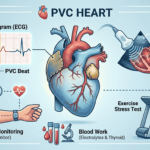
Featured Visual Asset
Medical professionals rely on a clear combination of diagnostic testing and lifestyle tracking to build the perfect treatment plan. Use this medical summary to visualize how care teams approach heart rhythm care:
1. Step One: Treating Palpitations Without Medicine
For the vast majority of individuals, the initial treatment path does not require prescription pills. Instead, the focus is on calming an over-excited nervous system. Tiny changes in your kitchen and routine can lead to huge drops in your daily flutters.
The Power of an “Electrolyte Audit”
Your heart cells operate using natural electrical minerals like potassium and magnesium. When these levels drop even slightly, your heart muscle can experience tiny electrical sparks that turn into PVCs.
- Action Plan: Make sure your grocery cart includes foods rich in these minerals. Try eating more fresh spinach, avocados, baked sweet potatoes, pumpkin seeds, and almonds to naturally stabilize your cell walls.
Rebalancing Your Fluid Intake
Dehydration is a quiet but massive trigger for heart flutters. When you do not drink enough water, your total blood volume drops, forcing your heart to pump much faster to move oxygen around. Make it a goal to keep a clean water bottle nearby and drink water consistently throughout the day.
Removing Synthetic Stimulants
Many over-the-counter items act like an immediate amplifier for heart activity. Try cutting back on extra coffee, sugary energy drinks, fitness powders, and over-the-counter cold medicines that contain strong decongestants.
2. Common Medical Options for Irregular Heartbeats
If simple home habits do not lower your flutters enough, or if your symptoms feel too uncomfortable, a doctor may discuss direct medical solutions. These therapies are designed to gently shield your heart cells from sudden electrical surges.
+------------------------+-----------------------------------------------------------------+
| Medical Treatment      | How It Works to Stop PVC Heart Palpitations                     |
+------------------------+-----------------------------------------------------------------+
| Beta-Blockers          | Blocks stress hormones like adrenaline, keeping the heart rate  |
|                        | calm, relaxed, and perfectly steady.                            |
+------------------------+-----------------------------------------------------------------+
| Calcium Channel        | Relaxes the muscle cells of the heart and blood vessels by      |
| Blockers               | controlling how calcium enters the cells.                       |
+------------------------+-----------------------------------------------------------------+
| Catheter Ablation      | A micro-procedure that uses heat or cold to permanently erase   |
|                        | the tiny spot causing the rogue electrical signal.              |
+------------------------+-----------------------------------------------------------------+
Beta-Blockers: The First Line of Defense
Beta-blockers are the most frequently prescribed medications for PVCs. They work by blocking the physical effects of stress hormones, like adrenaline, on your heart tissue. By keeping your heart rate in a calm zone, these pills make it very difficult for early beats to force their way into your rhythm.
Calcium Channel Blockers
If beta-blockers do not suit your body well, or if you have conditions like asthma, your doctor might choose calcium channel blockers. These pills ease the physical workload on your heart by altering how calcium enters heart tissue cells, helping them stay relaxed.
3. Advanced Treatments: What is Catheter Ablation?
In rare cases where a patient experiences an exceptionally high number of daily flutters—often called a high “PVC burden”—or when medications fail to bring relief, a specialist called an electrophysiologist might recommend an advanced, highly effective procedure called catheter ablation.
How the Procedure Works
Do not let the medical name scare you. This is a common, minimally invasive procedure. A specialist inserts a tiny, flexible tube (a catheter) through a vein in your leg and guides it directly to your heart.
Using advanced mapping computers, the doctor looks for the exact group of cells that are misfiring and sending out the early sparks.
Misfiring Heart Spot ──> Targeted Heat/Cold Applied ──> Rogue Path Erased ──> Normal Sinus Rhythm Restored
Once the exact troublesome spot is found, the tip of the tiny tube uses localized heat (radiofrequency) or extreme cold (cryoablation) to create a tiny, microscopic scar. This scar acts like a wall, blocking the rogue signal from ever firing again. The procedure boasts a very high success rate, often curing the palpitations permanently.
4. Addressing Underlying Health Conditions
Sometimes, learning how to treat PVC heart palpitations means looking at the rest of your body. Your heart rhythm does not operate in a vacuum; it responds to your overall health and metabolic balance.
- Thyroid Testing: An overactive thyroid gland (hyperthyroidism) floods your body with excess hormones that cause the heart to race and skip. A simple blood test from your primary care doctor can determine if your thyroid needs regulation.
- Blood Pressure Management: High blood pressure forces the lower chambers of the heart to press harder against resistance, stretching the muscle fibers over time. Keeping your blood pressure in a normal range takes the physical tension off these sensitive cells.
- Sleep Apnea Care: Loud snoring or waking up gasping for air can indicate sleep apnea, which deprives your heart of oxygen at night. Correcting this with a breathing mask can drastically lower daytime heart flutters.
5. Designing a Balanced Daily Care Plan
True success in managing your heart rhythm usually comes from combining these methods into an easy, daily plan that works for you. You don’t have to change everything overnight. Start with small, manageable adjustments.
- Track Your Patterns: Keep a quick note on your phone whenever you feel a thump. Note if it happened after a poor night of sleep, a stressful meeting, or a heavy meal.
- Move Gently: Regular, low-impact exercise like walking, swimming, or cycling keeps your heart muscle strong and naturally drops your resting heart rate.
- Partner With Specialists: Never alter prescription pills or try heavy supplements without talking directly to your healthcare team.
Conclusion: A Steady Path Forward
Experiencing frequent chest flutters can be frustrating, but discovering how to treat PVC heart palpitations gives you clear choices for a peaceful, healthy lifestyle. Whether your solution lies in drinking more water, eating nutrient-rich foods, taking a daily beta-blocker, or discussing an ablation with a specialist, there is a path forward for you. Talk openly with your doctor, build a step-by-step plan, and look forward to a steady, quiet, and happy heartbeat.
Disclaimer: This article is strictly for educational and informational purposes. It does not take the place of professional medical advice, clinical diagnosis, or specialized care from a doctor. Always check with a licensed healthcare provider or cardiologist before starting any new treatment plan or changing your current medication routine.


